The Lighter Side of Transformation

with Lisa Wessan, LICSW

“Action is the antidote to despair.” – Joan Baez

I attended my first No Kings Rally in Nashua, NH this past weekend, 10/18/25.

I went way out of my comfort zone to be there.

My concerns:
1. The noise, people screaming. Megaphones. I have high acuity hearing – “Dog Ears” – so loud sounds hurt. 2. The Covid Factor. 3. Heavy urban traffic, congestion, parking.

I’m grateful to report that this was a peaceful and not too noisy rally. Parking was easy. As of this writing, I’m Covid free. So all my fears were allayed.

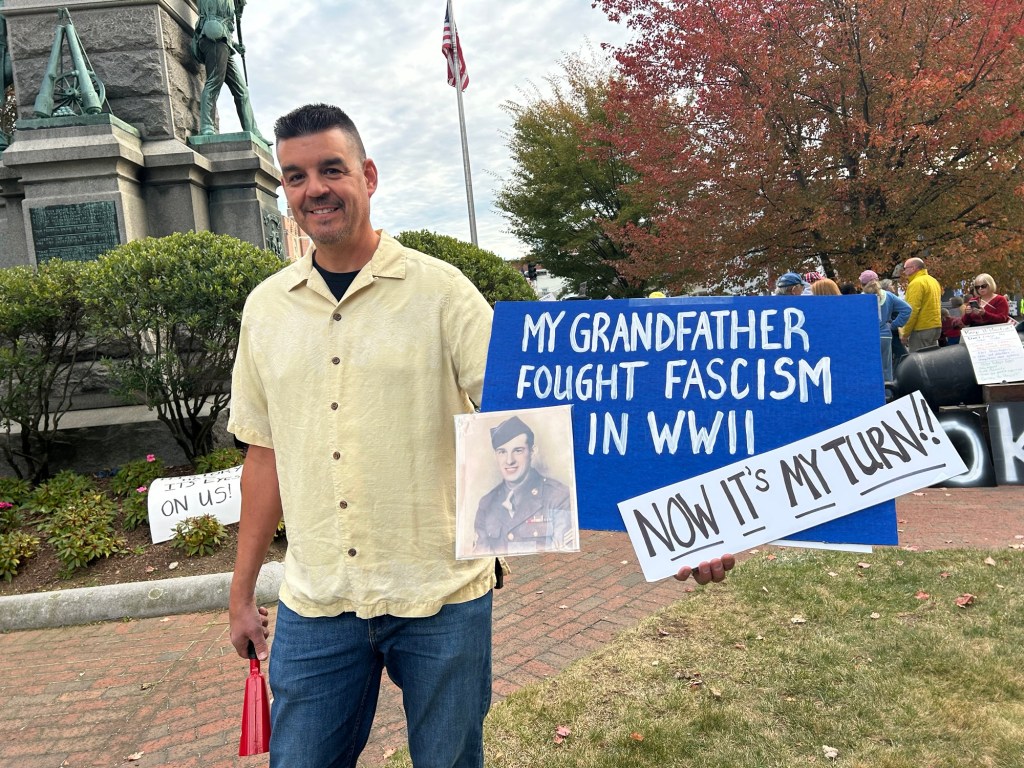
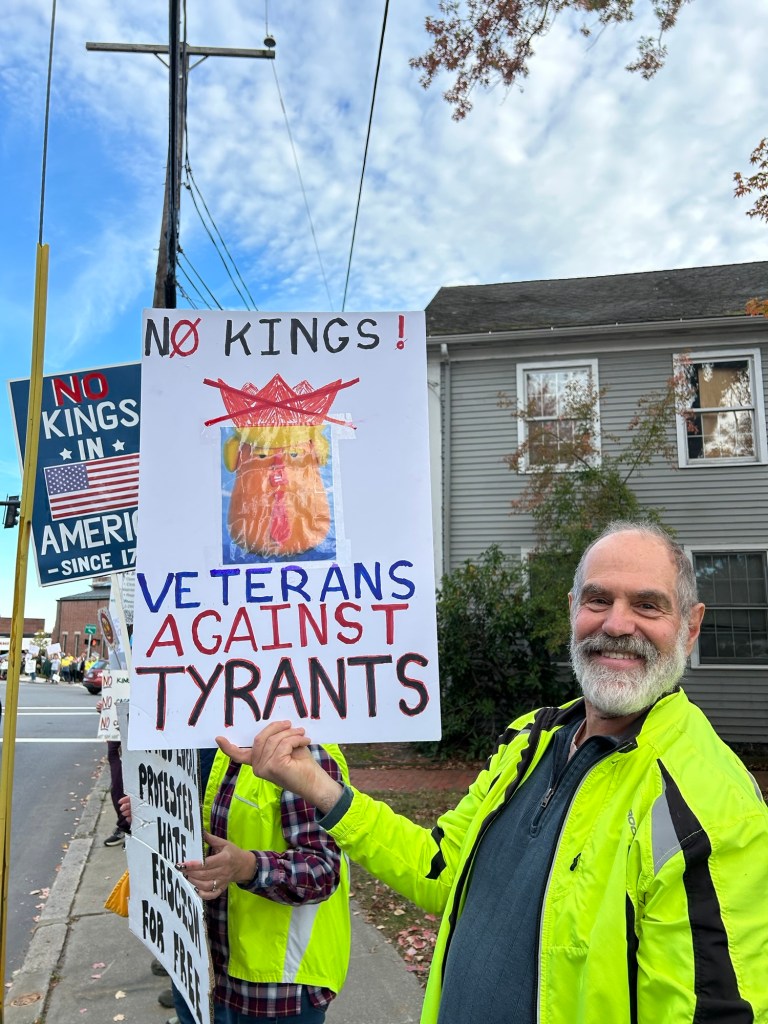
I was most deeply affected listening to the WW II veterans. They drew astute parallels to the fascism of other countries and their WW II battle fatigue. They experienced so much loss and grief to fight for our freedom and democracy. And now, POOF! Our freedoms are eroding away daily.

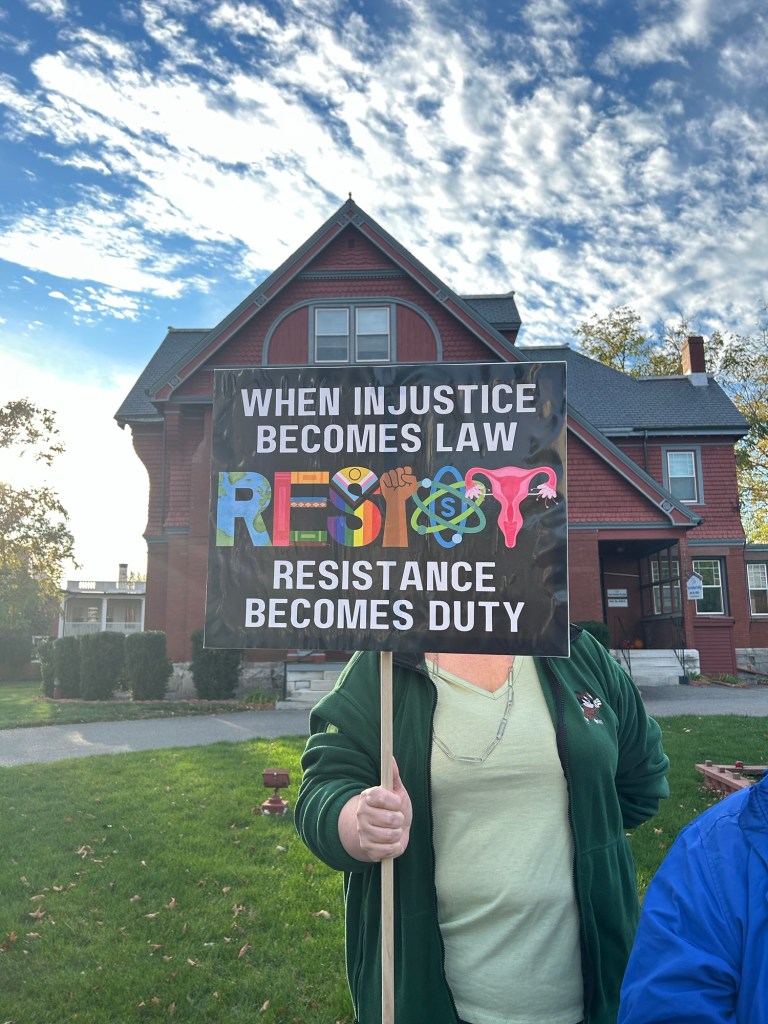
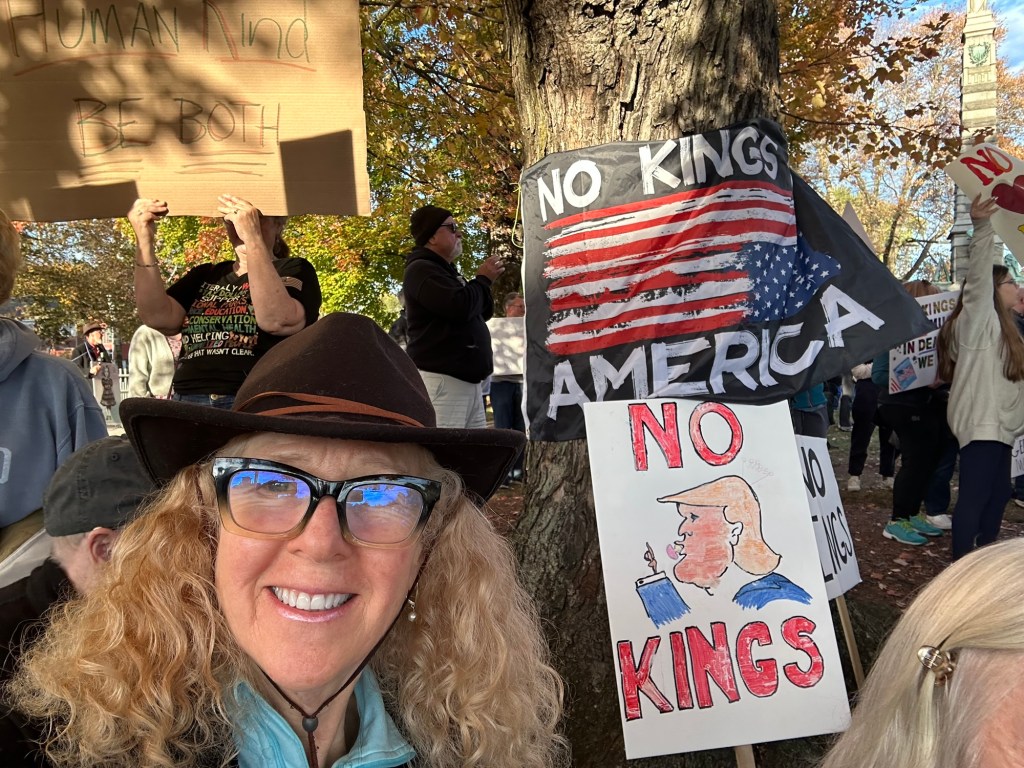
There were also some beautiful art works created with such loving messages. These were my favorites:

I learned so much from being at the Rally. I realized that I need to step up once again and become more active with the resistance.

Before my sweet younger sister and husband got sick, I used to attend the INDIVISIBLE meetings in my town. Due to both the pandemic and my increasing caregiver burnout I chose to take a pause on my participation there.

Now that my sister and husband are resting in peace, I am 80% recovered from those chronic medical traumas. I believe I can be more useful and helpful again.

Another action tool that is part of the “Antidote for despair” is using the 5 Calls App. This is an excellent tool to be effective and also lower your blood pressure and cortisol levels quickly! I’ve shared about it before, Reduce anxiety: use the 5 Calls App

However you choose to express yourself, please remember, “There are no victims, only volunteers!” If you decide to do nothing, that is not nothing. Your tacit approval is built into doing “nothing.”

Gentle suggestion….take one tiny action per week to put forward your beliefs and reduce your anxiety. Action is the magic word!

Onward and Upward✨

Lisa Wessan

Leave a comment »

Empower Yourself: Enhance Interpersonal Effectiveness and Reduce Social Anxiety

Take charge of your social interactions and personal growth with a 14-week Dialectical Behavior Therapy Skills Training Group (DBT). Learn effective strategies from expert Lisa Wessan to build confidence, set boundaries, and communicate assertively.

You can develop skills to set healthy boundaries, communicate clearly, and become resilient to others’ disapproval. Learning effective ways to interact can reduce social anxiety and enhance your success and relationships. You’ll also discover useful strategies for making requests and easing into small talk, such as discussing work, weather, or the weekend. By focusing on skill-building rather than willpower, you can foster more fulfilling social interactions.

Developing interpersonal effectiveness skills also involves investing time, effort, and resources. Many individuals choose to develop these skills when they seek change in their behavioral patterns. Sometimes your inner dialogue says “I am sick and tired of being sick and tired! I need to do SOMETHING to turn this around!” Research suggests that focusing attention on skill development leads to improvement in those areas, including social skills.

Neale Donald Walsch once wrote, “Life begins at the end of your comfort zone.” Yes, becoming comfortable with discomfort takes time and practice. By learning neuroscience-based skills, you can improve your ability to build new neural networks and succeed in mastering interpersonal skills.

Solution-Focused Therapy

The next virtual DBT Skills Group focused on Interpersonal Effectiveness and Mindfulness will run from September 30 to December 30, 2025. The course is taught by Lisa Wessan, LICSW, CLYL, RM, who trained directly with DBT founder Dr. Marsha M. Linehan and has over a decade of group facilitation experience. This 14-week program features weekly 90-minute sessions at $80 per week, providing participants with hands-on practice in social skills within small groups of 6-10.

To learn more, please visit https://www.lisawessan.com/dialectical-behavioral-therapy

🌀🌀 Register early for DBT groups, as enrollment involves several steps. Avoid waiting until the last week to sign up.

Onward and Upward✨

Lisa Wessan

Leave a comment »

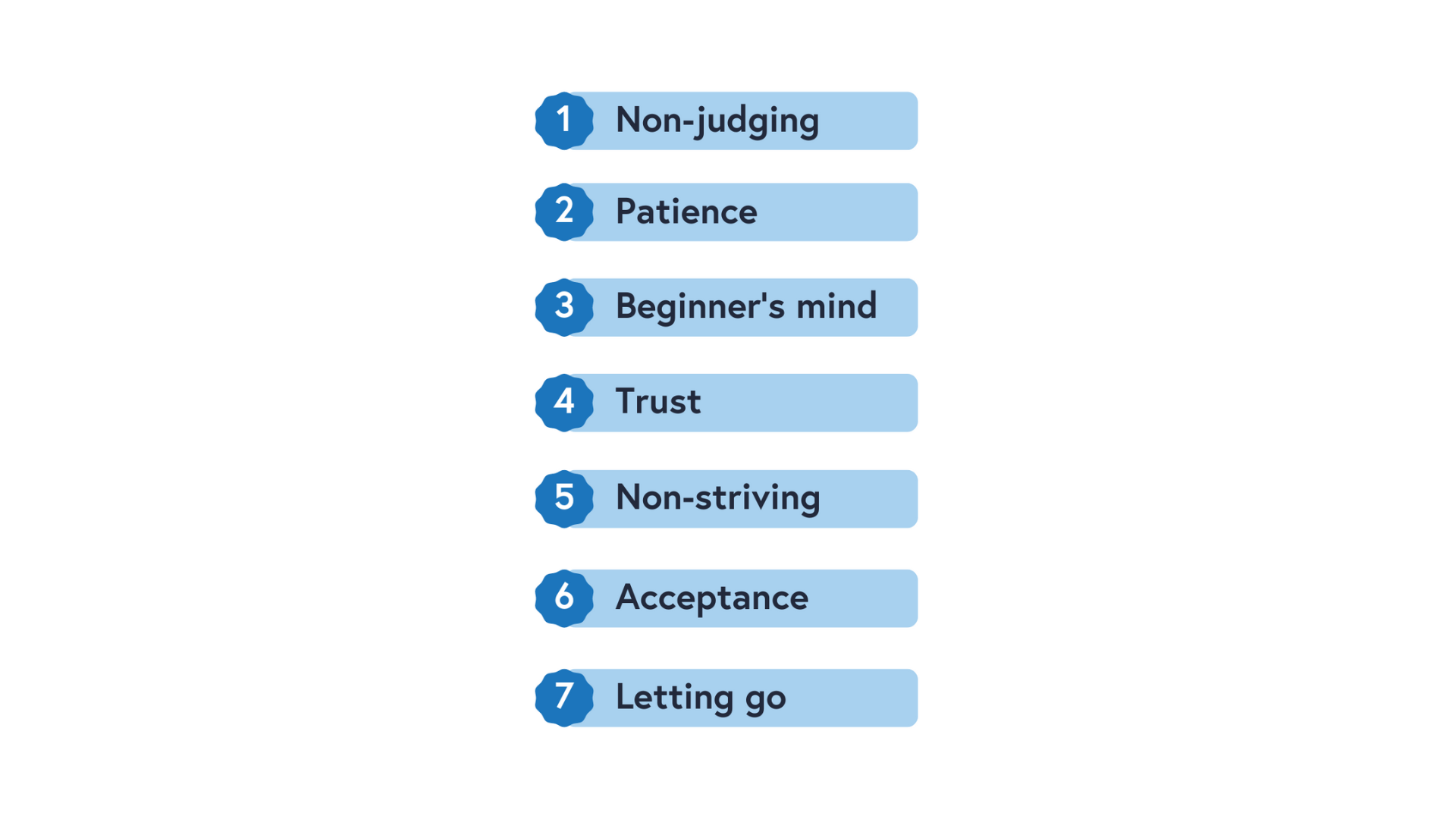
What are the seven attitudes of Mindfulness?

Mindfulness has grown into a significant industry with extensive literature on the subject. Among Western contributors to mindfulness, Jon Kabat-Zinn (1990) is one of our thought leaders on this topic. He outlined seven now classical attitudes of mindfulness. These attitudes are elaborated upon here, for your reflection and more insight.

  1. Non-Judging – Try to become aware of your mind as it judges and assesses things, situations, and people. With Dialectical Behavior Therapy (DBT), you learn to observe your judgmental thoughts while you are synthesizing your opposite beliefs. You might even count them to detach from them. Don’t stop yourself from being critical but instead observe yourself and thoughts without criticism. This will lead after some time to the realization that you are often functioning from a critical mode. This is not the healthiest point of view. Judging yourself (and others) causes stressful cortisol spikes, for every thought becomes a chemical reaction in your body.

  2. Patience – Healing takes time, so be patient with yourself and notice small progress. Join my Recovering Perfectionists club and embrace failing forward—growth comes from stepping out of your comfort zone and learning from mistakes.

  3. Beginner’s Mind – This is a mindset that is willing to see the world as a beginner and not as someone who has all the answers. Another way to express the Beginner’s Mind is the child’s point of view – you still have some wonder and a sense openness to new ideas. Learn to be curious, not furious, about your state of being. Let go of SHAME for not being perfect.  SHAME = SHOULD HAVE ALREADY MASTERED EVERYTHING.  Nay, Nay, you can be exactly where you are without any shame, perfectly imperfect.   You’re on your way. Yes, you are good enough, as is (and you could improve).

  4. Trust – Learn to trust your own ideas and feelings. You don’t need to defer to all the experts if something doesn’t ring true for you. Begin to know that your inner wisdom is best.  

  5. Non-Striving – Sometimes you don’t need to do anything – just be. Don’t try so hard to relax, thinking about ways to accomplish relaxation – watch how you feel when you stop striving. This includes letting go of your Compare and Despair, especially on social media. People typically post their “Happy Reel.” You don’t see the grimy, depressing, conflicted stuff they are dealing with privately.

  6. Acceptance – See things as they are; do you still need to lose weight? So be it. Are you still arguing with your spouse? Life gets LIFEY! Are you chronically constipated, depressed, exhausted? You’re taking action to move on. You don’t need to sugar-coat anything. This is how your life is and recognizing the reality of your life allows you to move forward and work on healing.

  7. Letting Go – You recognize that not all of your behaviors, thoughts and feelings have served you well. You need to make some changes in your life and that can happen when you accept your circumstance, then you will begin to make changes and let go of negative patterns. The paradox of letting go includes the 3 A’s: Awareness-Acceptance-Action.   During the Awareness phase, you are just waking up to your true reality, the beautiful and brutal truth of the life you are living. When you let go of your judgments and negative self-talk, you enter the Acceptance phase, and the healing begins. Before you know it, you are taking new actions and transforming your life.

References

Kabat-Zinn, J. (1990). Full catastrophe living: Using the wisdom of your body and mind to face stress, pain and illness. New York, NY: Delacorte.

Dialectical Behavior Therapy (DBT)

Leave a comment »

Just for Today, by Sybil F. Partridge

1.  Just for today I will be happy.  This assumes that what Abraham Lincoln said is true, that “most folks are about as happy as they make up their minds to be.”  Happiness is from within; it is not a matter of externals.

2.  Just for today I will try to adjust myself to what is, and not try to adjust everything to my own desires.  I will take my family, my business, and my luck as they come and fit myself to them.

3.  Just for today I will take care of my body.  I will exercise it, care for it, nourish it, not abuse nor neglect it, so that it will be a perfect machine for my bidding.

4.  Just for today I will try to strengthen my mind.  I will learn something useful.  I will not be a mental loafer.  I will read something that requires effort, thought and concentration.

5.  Just for today I will exercise my soul in three ways;  I will do somebody a good turn and not get found out.  I will do at least two things I don’t want to do as William James suggests, just for exercise.

6.  Just for today I will be agreeable.  I will look as well as I can, dress as becomingly as possible, talk low, act courteously, be liberal with praise, criticize not at all, nor find fault with anything and not try to regulate nor improve anyone.

7.  Just for today I will try to live through this day only, not to tackle my whole life problem at once.  I can do things for twelve hours that would appall me if I had to keep them up for a lifetime.

8.  Just for today I will have a program.  I will write down what I expect to do every hour.  I may not follow it exactly, but I will have it.  It will eliminate two pests, hurry and indecision.

9.  Just for today I will have a quiet half hour all by myself and relax.  In this half hour sometimes I will think of God, so as to get a little more perspective into my life.

10.  Just for today I will be unafraid, especially I will not be afraid to be happy, to enjoy what is beautiful, to love, and to believe that those I love, love me.

If we want to develop a mental attitude that will bring us peace and happiness, here is Rule #1:

Think and act cheerfully, and you will feel cheerful.

Written by Sybil F. Partridge   1916 and printed in
How To Stop Worrying, And Start Living, by Dale Carnegie, 1951

LW: Whenever you set a new intention, or want to develop a positive new habit, or break an old negative habit, start something new, always remember, “Progress not Perfection.” Old ways are tough to change, but it will get done. Slowly, slowly, you can do it. You can do hard things…There is a solution…Never give up💙

Leave a comment »

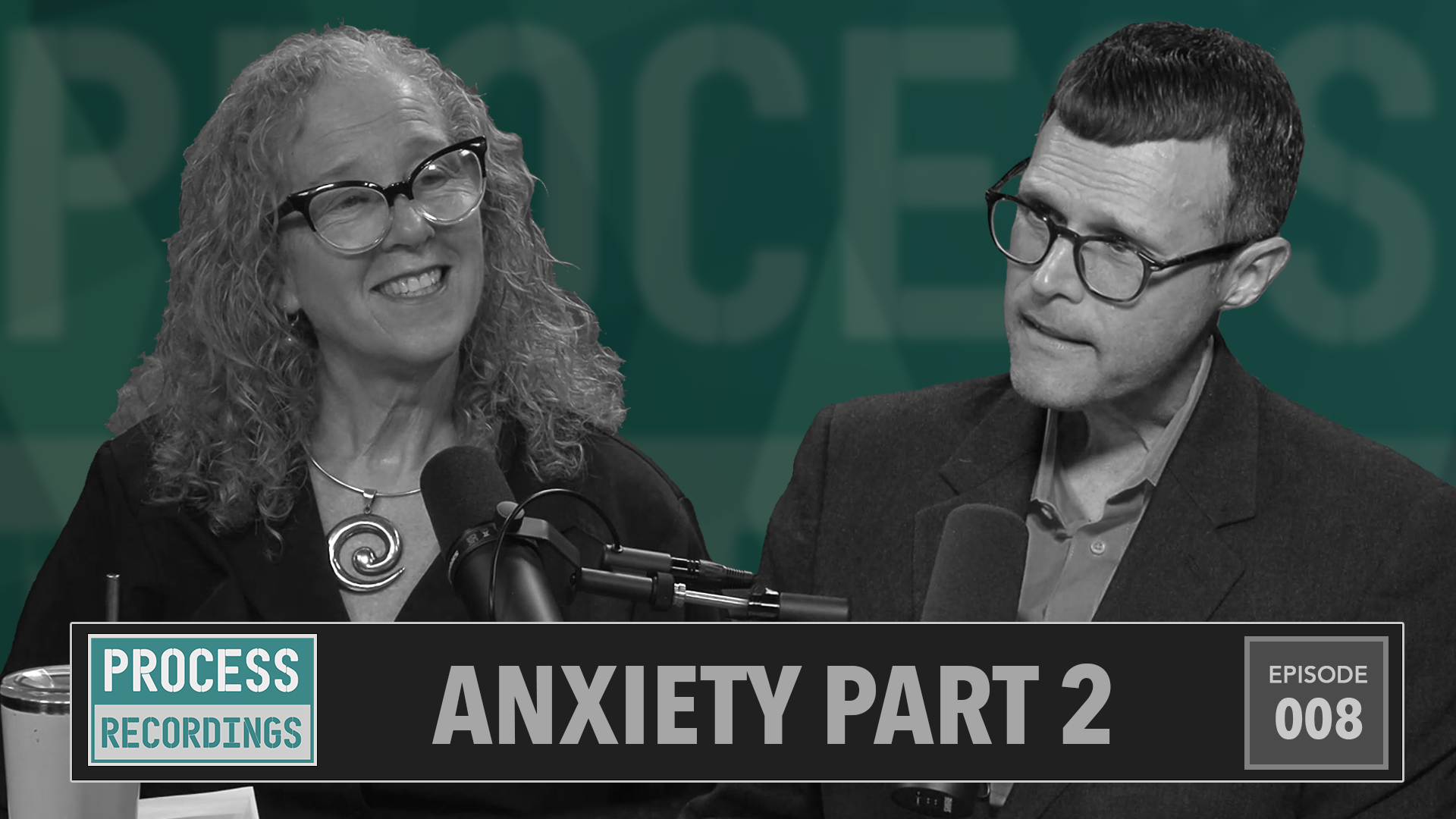
Welcome to our Podcast, PROCESS RECORDINGS

My colleague, Heath Hightower, Ph.D of Somerville, MA, invited me to join him on this exciting adventure in learning. We started percolating on ideas in the summer of 2024. It was an invigorating and joyful process to brainstorm ideas with Heath. We come from different backgrounds, have colorful geographical and spiritual contrast. This adds more flavor to the feast. Fast forward to 2025, where we have now recorded 18 episodes…

For each topic, such as ANXIETY, we have a Part I and Part 2. In Part 1, we review the terms and definitions of the issue. We do a brief literature review. Heath favors research studies and analytical journals. I go deep on clinical books for intense bibliotherapy. Together, we present an excellent overview and foundation of the topic.

In Part 2, we delve into solution focused practical skills. These skills are tactical and useful for moving into a gentle healing and recovery mode.

Skill Power vs. Will Power? Hands down, Skill Power wins every time! How do you recover from anxiety? How can you turn around toxic shame? How do you set healthy boundaries? Yes, Part 2 explores the “HOW TO” realm. This includes tools, tips, and techniques that Heath and I have found useful. (Together we have over 50 years of combined experience!)

To start your journey with Heath and I, please visit PROCESS RECORDINGS. May these discussions help you increase your capacity for success, abundance, love and more inner peace in your journey towards wholeness💙

Leave a comment »

Mastering Dialectical Behavior Therapy Skills (DBT): 14-Week Distress Tolerance and Mindfulness Skills Training, starts June 10, 2025, 7:30 – 9 PM EST (on Zoom)

Serenity is not freedom from the storm, but peace amidst the storm…

Hi, 

I’m excited to be teaching the next 14-week semester of Dialectical Behavior Therapy Skills (DBT).  This semester we will cover Distress Tolerance & Mindfulness Skills.

🌀 Click here for the current DBT FLYER.

DBT skills significantly help to reduce the escalation of your inflammatory emotions. They also lessen the painful, polarized and perfectionist thinking that often cause your meltdowns. You will learn to find your peaceful “Middle Path” here. 

There are many powerful skills included in this semester’s work. We hope you will create your own personal Distress Tolerance tool kit. Use the techniques that work the best for you.

Unfortunately, there is no “one size fits all” with these various techniques. You need to be a good scientist in the laboratory of your life and try them all out.  To that end, DBT provides excellent handouts, worksheets and exercises to help you practice between sessions. You will eventually find the techniques that you love. These techniques will help you pause successfully. They will transform difficult moments into something better.

You might have someone in mind for this next DBT Group. If so, please have them contact me soon at my web site – www.lisawessan.com – and fill out the Contact Form. This private form helps them briefly tell me the best times to reach them. (It also guides them to check out their insurance for the Out of Network benefit.)

Please know, this is a NO-SPAM zone, and no one’s email is saved unless requested to do so.

14-week fee: $1120 for continuing students, $1420 for new students (includes one Intake session.)  

It is an honor to serve your friends, family, patients or clients with this powerful, experiential, transformative curriculum.

Onward and Upward✨
Lisa Wessan

“If you can recognize and accept your pain
without running away from it,
you will discover that although pain is there,
joy can also be there at the same time.”

~ Thich Nhat Hanh, No Mud, No Lotus

Lisa Wessan, LICSW, CLYL, RM
Psychotherapist, Dialectical Behavior Therapy Skills Trainer (DBT),
Podcaster, Author, Speaker
www.lisawessan.com
UP NEXT: DBT Distress Tolerance & Mindfulness Skills (Virtual, June 3 – September 2, 2025)
🌀✨🌀✨🌀✨🌀✨🌀✨🌀✨🌀✨🌀✨🌀✨🌀✨🌀✨🌀✨🌀✨🌀

Leave a comment »

Effective Dialectical Behavior Therapy (DBT): Open Enrollment Now

 
“Between stimulus and response there is a space. In that space is our power to choose our response. In our response lies our growth and our freedom.” ~ Viktor E. Frankl


I am delighted to announce that the next virtual 14-week Dialectical Behavior Therapy Skills (DBT) Group will be meeting on Tuesday evenings, 7:30 – 9 PM EST, February 18 – May 20, 2025.  We will be covering both the Mindfulness and Emotion Regulation modules.  (This is an ongoing group that has open enrollment periods three times per year.)

[If you would like to receive a copy of the full 14-week curriculum, please request one HERE. (This is a NO-SPAM Zone, so your email will not be added to any list unless you request it.]

The Mindfulness material includes:

  • Learning how to be a good observer, describing your feelings, participating more fully in life
  • How to become non-judgmental of yourself and others
  • Staying in the present moment with more ease
  • Practicing being effective for the greater good of your family, workplace, community
  • Accessing Wise Mind (aka higher self, higher consciousness)
  • Understanding Reality Acceptance and detaching from negative or critical thoughts.
  • Shifting from Willfulness to Willingness

The Emotion Regulation module has four sections:

  • Understanding and Naming Emotions
  • Changing Emotional Responses
  • Reducing Vulnerability to Emotion Mind (your highly reactive and difficult emotions)
  • Managing Extremely Difficult Emotions

As DBT founder Dr. Marsha Linehan says, “It is difficult to manage your emotions when you do not understand how emotions work. Knowledge is power.”

GROUP ATMOSPHERE: My students are well mannered, high functioning and convivial.  For those who occasionally tend to demand more attention, want to give inappropriate feedback and/or act out in any way, I do have a strong “Respectful Communication Policy” in place and several useful group rules which help to maintain a safe, harmonious and cohesive group atmosphere.  All are welcome, but there is no allowance for rude or harsh behavior.

Group members will continue to process their unresolved traumas in their individual therapy, not in this group. This is a therapeutic psychoeducation program. (It is NOT group therapy.)

For dates, fees, videos and more details, please visit
Dialectical Behavioral Therapy | Lisa Wessan

May this serve you or your loved ones well in their journey towards wholeness and more inner peace.

Onward and Upward🌀

Lisa Wessan

Leave a comment »

UP NEXT: Spring/Summer 2024 Dialectical Behavior Therapy (DBT) Skills Training May 21 – August 27, 2024 (on Zoom)

Hi,
I’m excited to be continuing to teach the evidence-based Dialectical Behavior Therapy Skills Training (“DBT”) on Tuesdays nights, 7:30 – 9:00 PM EST, in the Zoom Classroom…

It takes one year to complete the full curriculum, but I divide the work into three trimesters.

January – April we study “Emotion Regulation,” May – August is “Distress Tolerance,” September – December is “Interpersonal Effectiveness.” We explore and review Mindfulness skills the first few weeks of each trimester. 

UP NEXT: we are moving towards wholeness and more inner peace studying “Distress Tolerance.”

There are still a few spots still open for this Spring/Summer term.  Learn more here: 

Dialectical Behavioral Therapy | Lisa Wessan

Fast Facts: 

  • All 90-minute groups are $75/Week (see FAQ on web site for PPO/insurance details).
  • Students pay in full prior to start of group. [New students need to complete their registration forms, intake sessions and fees no later than 5/17/24.]
  • My students are educated and well mannered, high functioning and convivial.  For those who occasionally tend to demand more attention, want to give inappropriate feedback and/or act out in any way, I do have a strong “Respectful Communication Policy” in place and several useful group rules which help to maintain a safe, harmonious and cohesive group atmosphere.  All are welcome, but there is no allowance for disruptive behavior.
  • Group members will continue to process their unresolved traumas in their individual therapy, not in this group. This is a therapeutic psychoeducation program. (It is NOT group therapy.)
  • Group size ranges from 6-12 students.

May this serve you or other loved ones well✨

Lisa Wessan, LICSW, CLYL, RM
Psychotherapist, Dialectical Behavior Therapy Skills Trainer (DBT)
www.lisawessan.com
🌀✨🌀✨🌀✨🌀

“The mind that is awakening laughs at itself a lot. It laughs as the echo of old patterns show up.”
Wisdom Quotes from The Way of Mastery (#23)

Leave a comment »

My Ongoing Battle of the Bulge Continues…I reached my 50 lb. milestone!

For those of us who have more than a few pounds to shed, it is usually requires a multimodal and multidimensional effort…To that end, below please find a brief summary of my Fabulous Foursome for Successful Weight Loss and Good Health.  Learn more here as we hasten slowly towards our best health and lifestyle ever! 
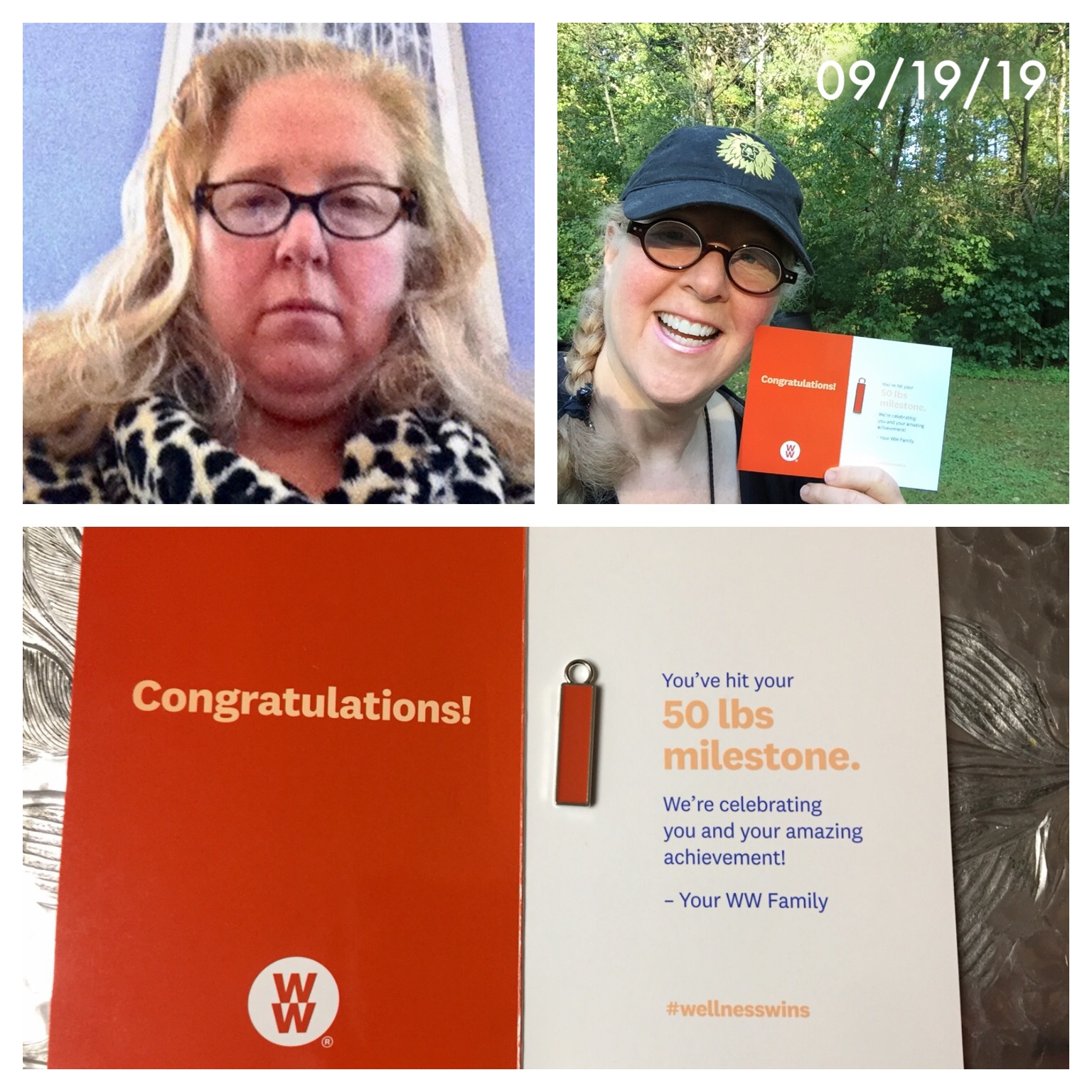
09/19/19 |

So it turns out that after taking at least 10,000 roads to wellness over the past 50 years, my sacred formula for success is a multimodal treatment plan combining Weight Watchers (WW),  Yoga,  Dialectical Behavior Therapy (DBT) and Forest Bathing.

I’m grateful to share that I feel light as a feather…even though I have a long way to go.

For those of you still struggling with the 3Fs (Food, Fat, Fear), I’d like to invite you to pick at least one of these paths to wellness and begin to unpack the multidimensional conflicts that keep you in the Plus Sizes.

I’ll briefly describe each one, and may you find your solution soon!

1. WW (Wellness WINS! aka Weight Watchers)

First, let’s deal with the food. Good food, good mood, right?  Who is ever happy living in deprivation, with an “all or nothing” restrictive food plan?  For years, I used to manage my weight by eating no sugar, flour, booze, fried food and more restrictions.   I would be slim for a while, sometimes as long as seven years, but then as soon as I picked up one of the Forbidden Foods, e.g. chocolate, or wine, chips or whatever, I would blow it, fall off the wagon and spiral into a relapse of some sort. I believed the mythology that I could not eat one of anything, that for cookies, “One is not enough, but a thousand are too many.”    I was caught up in a kind of cult-like belief that I was a food and sugar addict and had to live my life in a Black and White, All or Nothing paradigm or else I would binge my brains out and be morbidly obese.

I even found doctors and research that supported this idea!  Fun fact:  this is NOT true.

I needed some serious cognitive restructuring, which I finally received. I had to let go of my former Belief System (B.S.) and move into a new realm where I knew nothing about food. Oh yes, I reached the critical point of being sick and tired of being sick and tired,  the best place to “achieve” the sweet surrender of the Beginner Mind.  I finally let go of my B.S., and opened my mind to a new way of looking at food, fat, carbs and more. It happened to be unexpectedly delivered by WW.

WW is an international organization, so you can join anywhere in the world you have internet service.  To sweeten this experiment, if you click on the link below, you can get a free month to try it out, and see how it goes.  That’s what I did.

[GET YOUR FREE WW MONTH TODAY!]

Fast forward to 2019… now it’s easier than ever to eat what you love and lose weight. Click HERE for one month free to explore… You can refund your misery after 30 days if this does not work for you!

The best part of WW is the Mindfulness training…there’s a lot of brilliant cognitive restructuring built into the weekly lessons and discussions in the Workshops, and in the online Connect community. Plus the WW App is totally genius for tracking your food (comes with the membership). I’ve used MyFitnessPal and other weight loss/fitness apps – this one beats them out hands down.

Good health is wealth, GO FOR IT!   [Note: don’t bother getting the WW cookbooks, because all of the recipes are online and the App.]

2. YOGA AND WEIGHT LOSS

I originally went to yoga just to STRETCH, to avoid getting injuries.  In the past, I would get Plantar Fasciitis,  shin splits,  and other sports related injuries because even at my top weight, I did a lot of walking, hiking and working out but not enough stretching. Yikes. It was a bitter and painful lesson to me, that not enough stretching causes incapacitation!

Imagine my surprise, when I started attending yoga classes, and discovered how much unexpressed grief, rage, sadness and other negative emotions I could release on the mat.  It was powerful for me, and continues to be a very helpful emotional release.  I need it.  It is definitely part of my weight loss success here.  See if you can find a yoga studio near your home or office.  Gentle suggestion: If you are new to yoga, or have any kind of physical challenge/injury/Plus Size body, start with the Restorative Yoga, which is deeply healing and relaxing.  That’s what I did.  I went from Restorative Yoga to more active Vinyasa Yoga (a bit more cardio).  I do both now.

3. DIALECTICAL BEHAVIOR THERAPY (“DBT”), SOLUTION-FOCUSED THERAPY AT ITS BEST

These skills of Emotion Regulation, Distress Tolerance, Interpersonal Effectiveness and Mindfulness  are necessary for the cognitive restructuring you need to move away from that toxic All or Nothing mindset, designed for Recovering Perfectionists like me.

Big Bonus:  DBT relieves depression, anxiety, mood swings, OCD spectrum and other behavioral issues that can be barriers to weight loss, and other long term goal driven projects. 

Grateful and shameless plug: If you follow my blog, you already know that I am a passionate trainer of evidence-based Dialectical Behavior Therapy Skills  and believe that these therapeutic psychoeducation courses should be taught in third grade to all humans. (Check out my web site for upcoming groups, which are running throughout the year.)

4. FOREST BATHING: DEEP HEALING FROM HIKING OR WALKING IN THE WOODS

If you’re still reading this, you are clearly motivated to make a change.  So are you truly sick and tired of being sick and tired?  Is this it?  Are you DONE suffering with the 3Fs?  If so, put on your walking shoes, sneakers or hiking boots and spend a little time on the trails.

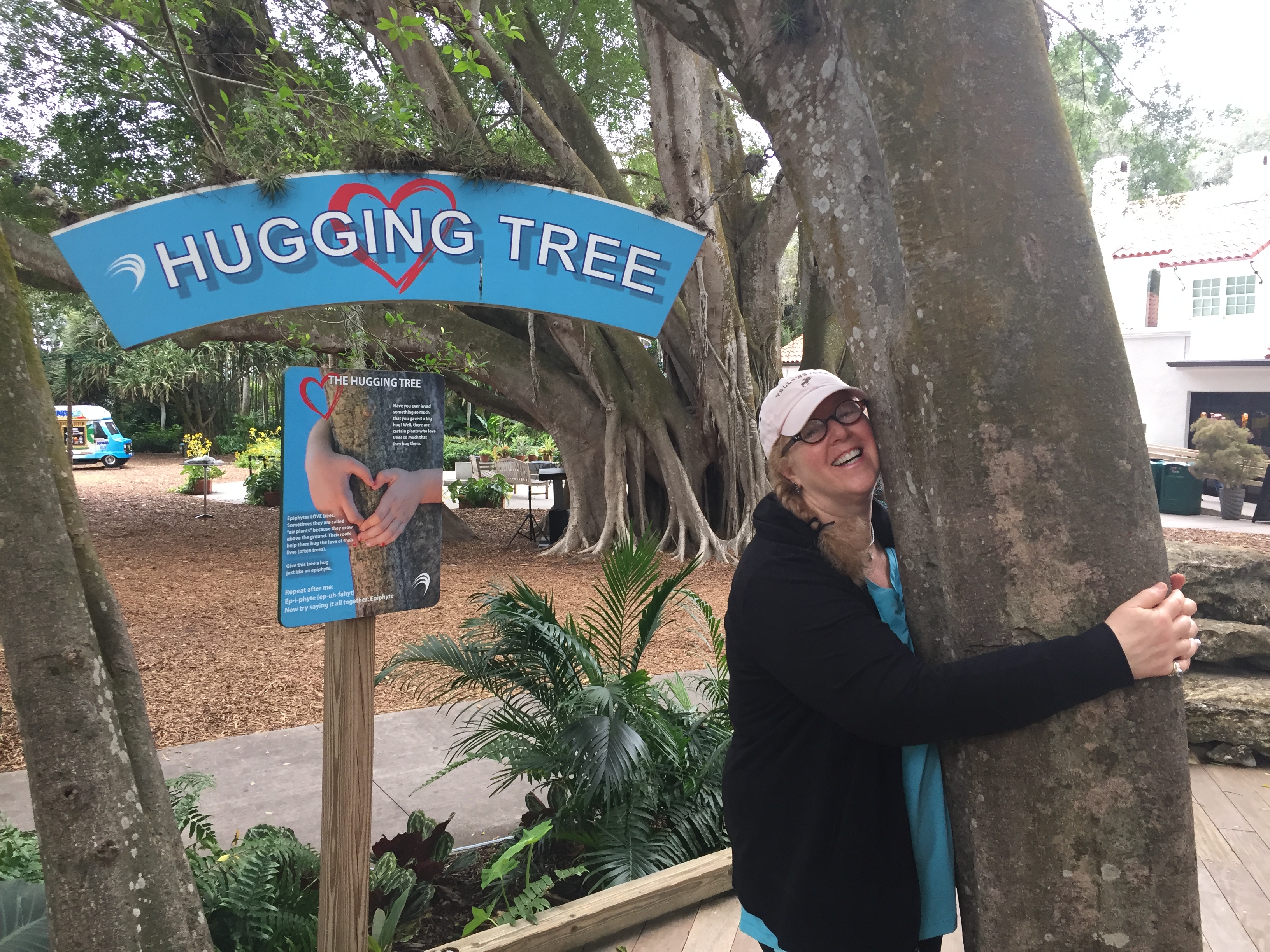
It has been my experience that there is a healing force field that is very strong in the woods.  You need to drag your tired self over there and walk, even for ten minutes, to get into that healing field. Even better,  hug a few trees.  See what happens.
Selby 1
Selby Gardens, Sarasota, FL (December, 2019)

Notice if you suddenly feel as if your head has cleared, and you feel a bit more peaceful, or, dare I say it, even joyful?  I am 100% confident that the time I spend in the woods has contributed to my weight loss, and not just because I am burning fat on the trails.  No, it is the good energy shift I feel.  It helps me make more loving choices with my food, and my thoughts are transformed into better thoughts.   If you are curious, you can learn more here…

You might also enjoy this article I wrote, that was published in the SOCIAL WORK VOICE journal,  about the clinical benefits of walking in the woods,  Walk and Talk Therapy: Moving Towards Wholeness.

In sum, I hope at least one of these four options — WW, Yoga, DBT or Forest Bathing —  help you in your journey towards wholeness, lightness and feeling good in your body.   May you find that peace with your food soon, however you get there!

Onward and Upward,

To your best life ever,

Lisa Wessan

Copyright © by Lisa Wessan 2019. All rights reserved.

Leave a comment »

Moving beyond binary thinking: what are dialectical and non-dualistical truths?

“If you can recognize and accept your pain without running away from it, you will discover that although pain is there, joy can also be there at the same time.” Thich Nhat Hanh, No Mud, No Lotus

“Grief is the price we pay for love.”
Queen Elizabeth II
(21 April 1926 – 8 September 2022)

“Even when all the experts agree, they may well be mistaken.”  ~ Bertrand Russell

“In preparing for battle, I have always found that plans are useless,
but planning is indispensable.” ~ Dwight Eisenhower

“The reverse of truth has a thousand shapes
and a boundless field.” ~ Michel de Montaigne

“Do I contradict myself?
Very well then, I contradict myself,
(I am large, I contain multitudes.)”
~ Walt Whitman, Leaves of Grass

“Whoever is winning at the moment
will always seem to be invincible.” ~ George Orwell

“Family values don’t stop at the Rio Grande.”  ~ George W. Bush

“Sometimes you need to get knocked down before you can
really figure out what your fight is.” ~ Chadwick Boseman

What do all these quotes have in common?  They are blending opposing beliefs into a non-dualistic framework, which is, for most people, is not easy to hold in the mind without some cognitive dissonance.

One of the reasons I love to teach Dialectical Behavior Therapy Skills (DBT) is to help people move from binary to non-binary thinking.  In this way, DBT serves to help people live with massive emotional and cognitive dissonance and yet not have an emotional meltdown (or use self-harm to distract or medicate from the pain of holding the contrasting beliefs).

For example, when you get into the DBT flow of consciousness, you realize that you can both love and hate someone.  You realize that on some level, you are amazing, perfect and rocking “as is,” yet you can improve.  Yes, you are good enough, yet you can improve!  You realize that you are sometimes brilliant, and sometimes really foolish, but still lovable, no matter what. You embrace the FACT that you inevitably will make mistakes, but you are NOT a mistake.  You are still awesome, lovable and worthy, no matter what cocka-locka-cuckoo stunt you got into, either consciously or unconsciously. You come to accept that “There is no shame in my game!”

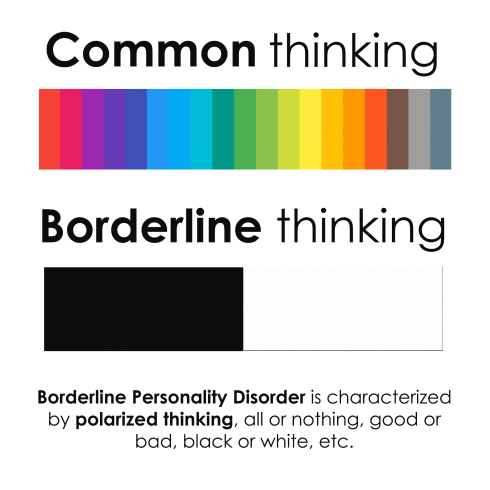
So dialectical thinking helps you get out of the black and white mental trap, the “All or Nothing,” Right or Wrong, Worthy or Unworthy, Perfect or Imperfect name game.  Practicing dialectical skills helps relieve so much of your negative inner dialogue, which can potentially lead you down a slippery slope, perhaps causing a spiral into a depression and even self-harming thoughts.

Over time, DBT gently muzzles the harsh inner Critic and lets you move forward with plans to grow, learn, change and improve yourself, your relationships and your life.

Borderline1

DBT makes it so much easier to “Disable the Label” of your diagnosis, gender challenge, financial issue, body image or weight issue and more.  For years, I have said that I believe DBT skills will someday soon be taught to everyone by the 3rd grade level…Now Lady Gaga, superstar and mental health advocate, has started a foundation, MENTAL HEALTH FIRST AID to bring DBT Skills Training into all the public schools in the USA. Why? Because after years of suffering, once she learned DBT Skills, she had a dramatic recovery from her mental health issues, and now she is making this possible for everyone.

It is essential that we all move out of this painful and extremely unproductive dualistic perfectionist damnation of ourselves and others!  Enough is enough, right? The exquisite radical acceptance that comes from dialectical thinking starts within, and then permeates into our relationships, politics and the world at large.

Yes, it is possible to temporarily hate ourselves for a few minutes for being a bit unconscious or even whacko in the moment, and then with the help of improved self-talk, gently shift back to a more bearable level of acceptance, possibly reach a more comfortable forgiveness level and then back to a more loving baseline. With training, this could be reduced from days/weeks of self-hate to a few minutes…that’s a big win in my practice!

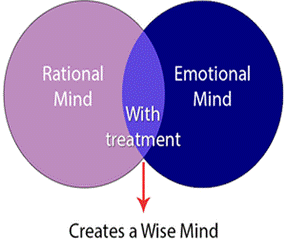
This DBT process uses evidence-based skills culled from the vast Mindfulness research, Interpersonal Effectiveness, Distress Tolerance and Emotion Regulation fields.  These skills help people move from being in the extreme of “Emotion Mind” or “Rational Mind” into their “Wise Mind” and function better on every level.

Ven diagram 1 Wise Mind

Here are some of the common myths that we deconstruct in our DBT groups:

“Dialectics reminds us of the many paradoxes that are built into our Universe:

  1. The universe is filled with opposing sides/opposing forces. There is always more than one way to see a situation, and more than one way to solve a problem. Yet two things that seem like opposites can both be true.
  1. Everything and every person is connected in some way, in the way that the waves and the ocean are one. It is also believed that the slightest move of the butterfly affects the furthest star.
  2. Change is the only constant. Meaning and truth evolve over time. Each moment is new; reality itself changes with each moment.
  3. Change is transactional. What we do influences our environment and other people in it. The environment and other people influence us.” (Linehan, 2015)

For today, I challenge you to start letting go of your dualistic mind traps, end all “Compare and Despair” drama and gently start to shift into a more compassionate, empathetic and dialectical mindset that will allow yourself and others to be good enough around you, as is, while you are all improving.  Here’s the emotional math: less judging, more inner peace.  Simple, but not easy!

Onward and Upward🌀

Lisa Wessan

Reference:
Linehan, M. (2015). DBT Skills Training Handouts and Worksheets. Second edition. New York: Guildford Press. Page 150.

Copyright © by Lisa Wessan 2022. All rights reserved.
www.LisaWessan.com

1 Comment »