Dear Reader, Podcast Listener, YouTube Viewer,
In the spirit of Good Food, Good Mood, I am always researching the best ways to maximize nutrition for brain health, fitness and longevity. My guest on these two episodes, Donna Sack, has shared a wealth of science-based knowledge on how to utilize protein to your highest and best advantage. May this serve you well!
Onward and Upward✨
Lisa Wessan

Donna Sack and Lisa Wessan (September 14, 2026)
The Lisa Wessan Show – Podcast – Apple Podcasts (and wherever you listen to your podcasts)
Also available on YouTube, Lisa Wessan – YouTube
~~~~~~~~~~~~~~~~~~~~~~~~~~~~~~~~~~~~~~~~~~~~~~~~~~~~~~~~~~~~~~~~~~~~~~~~~~~~~~~~~~~~~~~~~~~~~~~
Donna Sack founded and runs Start Now for Life, a holistic health coaching practice that helps women over 40 regain their health, strength, and vitality. Using functional lab testing and personalized lifestyle coaching, she identifies the root-cause imbalances behind her clients’ symptoms so they can heal lastingly.
Donna holds a Bachelor of Science in Food Science and Nutrition and is a certified Functional Holistic Health Coach through Functional Diagnostic Nutrition (FDN) and the Institute for Transformational Nutrition (ITN). Her advanced certifications in thyroid, hormone, and digestive health equip her to support women through midlife transitions.
Donna is also an ACE-certified Personal Trainer who coaches part-time at Get In Shape For Women in Chelmsford, linking internal metabolic health with physical strength. She is passionate about helping women thrive in their 40s, 50s, and beyond through sustainable, bio-individual strategies. Connect with Donna: www.startnowforlife.com
SHOW NOTES FOR Episode 26:
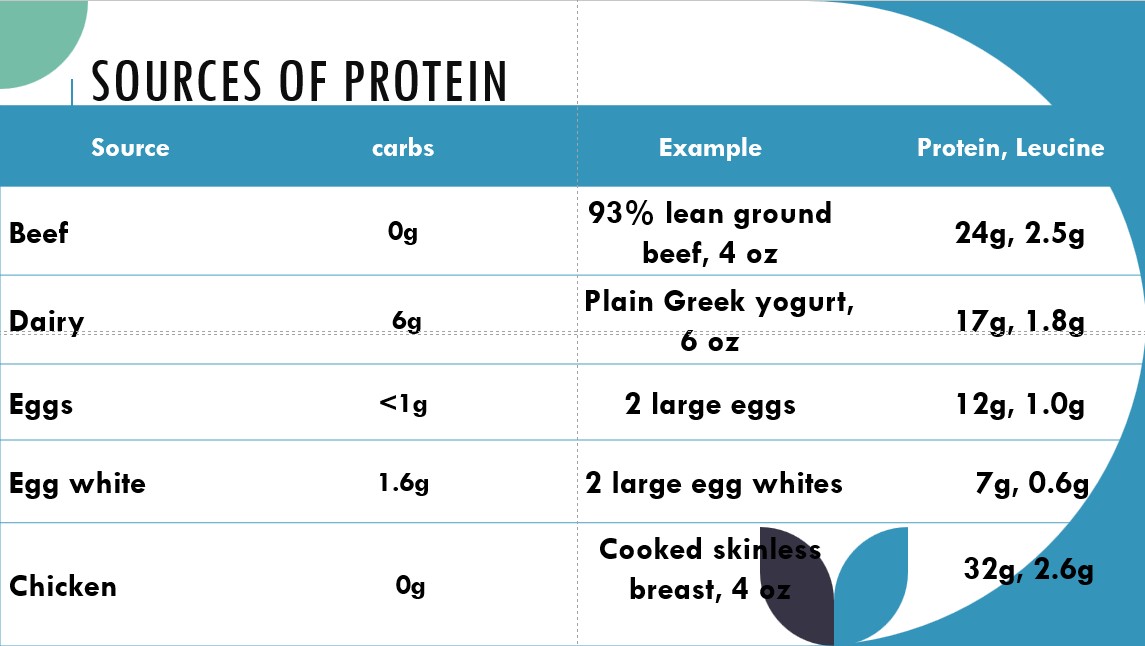
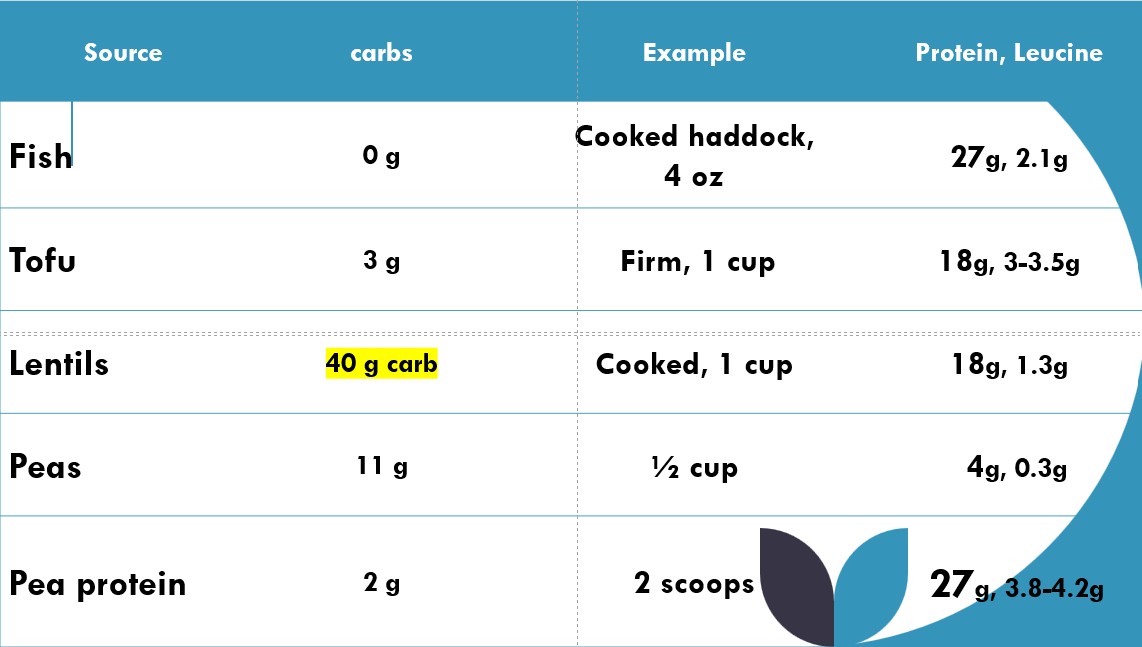
Main topics: Protein and leucine analysis, pulsing the mTOR factor (aka the Construction Manager of strengthening muscle) , best protein dosages and timing, and whether intermittent fasting conflicts with muscle-centric protein intake. Most important: you need 2.5 -3 g. leucine per feeding time to pulse the mTOR, absorb the protein properly and build muscle.
To track your Macros, including Leucine, try CHRONOMETER or MyFitnessPal. (Weight Watchers’ app has a Macro tracker, but it does not track Leucine yet.)
Show Notes for Episode 27:
Which certifications should we look for to avoid protein powders containing heavy metals? The FDA regulates supplements as food, not pharmaceuticals, so manufacturers are not required to test every batch for environmental toxins before sale. Heavy metals such as lead, arsenic, cadmium, and mercury occur naturally in soil, and some ingredients, especially plant-based ones like pea, hemp, and cocoa, absorb them readily. That is how they end up in protein powders.
To choose a clean formula, ignore claims like “pure” or “all-natural” and look for an independent, third-party certification seal on the tub.
The gold-standard certifications to look for include:
1. Clean Label Project (CLP)
This is the most critical certification if your primary concern is heavy metals, environmental toxins, or plasticizers (like BPA).
- What they do: Unlike certifications that focus purely on athletic performance, the Clean Label Project specifically tests consumer products for environmental contaminants. They screen for heavy metals, pesticides, and plasticizers against incredibly strict consumer safety standards (such as California’s Prop 65 thresholds).
Paleo Pro+ 1
- What to look for: Look for the “Clean Label Project Certified” circle or their “Purity Award” stamp.
2. NSF Certified for Sport (or NSF Contents Certified)
NSF International is one of the most widely respected independent testing organizations in the world.
- What they do: They verify that what is on the label is actually what is in the tub. They audit manufacturing facilities, check for heavy metals and microbiological contaminants, and ensure no unlisted fillers are used. The “Certified for Sport” version goes an extra step to screen for over 280 substances banned by major athletic organizations.
Paleo Pro+ 1
- What to look for: A blue, circular NSF logo or the blue-and-orange NSF Certified for Sport badge.
3. Informed Choice / Informed Sport
Run by LGC, a world-renowned sports doping control and supplement analysis laboratory.
- What they do: They provide robust quality assurance by testing products for impurities, heavy metals, and banned substances using ISO-accredited methods. Informed Sport tests every single batch before it is sold, while Informed Choice uses a blind, monthly retail sampling method to ensure ongoing purity.
Informed Choice
- What to look for: A green-and-black checkmark logo that says Informed Choice or Informed Sport Trusted by Sport.
4. USP Verified (U.S. Pharmacopeia)
While less common on mainstream protein powders and more frequent on vitamins, USP is an incredibly stringent scientific nonprofit organization.
- What they do: A USP stamp guarantees the product was made under sanitary, federally compliant Good Manufacturing Practices (GMP) and explicitly tests for acceptable limits of heavy metals, contaminants, and toxins.
- What to look for: A distinctive gold-and-black USP Verified seal.
💡 Pro-Tip for Smart Shopping
If a brand claims they “third-party test” but doesn’t feature one of these major stamps on the tub, look on their website for a COA (Certificate of Analysis). Transparent brands will let you look up your tub’s specific lot number to read the exact heavy metal laboratory breakdown yourself.
Quick Rules of Thumb to Lower Exposure:
- Whey usually runs cleaner than plant protein: Because heavy metals are absorbed via soil, plant-based powders (pea, rice, hemp) consistently score higher for heavy metals than dairy-derived whey or egg-white proteins.
- Stick to Vanilla over Chocolate: Cocoa plants are notorious “bioaccumulators” of cadmium and lead. Independent testing frequently shows that vanilla or unflavored varieties of the exact same brand have significantly lower metal counts than their chocolate counterparts.
For further contact:
www.lisawessan.com


