The Lighter Side of Transformation

with Lisa Wessan, LICSW

David Pogue brings uplifting news from 2025 on Sunny Side Up segment

David Pogue ranks among my favorite journalists and polymaths. I first encountered his writing during his tenure as The New York Times’ weekly tech columnist from 2000 to 2013. He offered invaluable insights into email, technology, security, and much more. Since then, Pogue has enjoyed a vibrant and accomplished career, earning numerous accolades—including a Loeb Award for journalism, two Webby Awards, an honorary doctorate in music, and an Emmy for his exceptional work on CBS Sunday Morning.  

Since I started reading him on the New York Times, I have been recording the CBS Sunday Morning show to catch his segments. Here’s a recent clip from his 2025 good news review, which is a refreshing break from negative headlines. One highlight: a Boston based company can now make fully biodegradable plastics, reducing harmful plastic particles in our bodies. Watch here for more uplifting information:

It’s hard to avoid the tough headlines, but it’s important to balance them out with uplifting and inspiring news as well!

Good health is wealth, GO FOR IT!

With warm blessings✨

Lisa

Leave a comment »

Empower Yourself: Enhance Interpersonal Effectiveness and Reduce Social Anxiety

Take charge of your social interactions and personal growth with a 14-week Dialectical Behavior Therapy Skills Training Group (DBT). Learn effective strategies from expert Lisa Wessan to build confidence, set boundaries, and communicate assertively.

You can develop skills to set healthy boundaries, communicate clearly, and become resilient to others’ disapproval. Learning effective ways to interact can reduce social anxiety and enhance your success and relationships. You’ll also discover useful strategies for making requests and easing into small talk, such as discussing work, weather, or the weekend. By focusing on skill-building rather than willpower, you can foster more fulfilling social interactions.

Developing interpersonal effectiveness skills also involves investing time, effort, and resources. Many individuals choose to develop these skills when they seek change in their behavioral patterns. Sometimes your inner dialogue says “I am sick and tired of being sick and tired! I need to do SOMETHING to turn this around!” Research suggests that focusing attention on skill development leads to improvement in those areas, including social skills.

Neale Donald Walsch once wrote, “Life begins at the end of your comfort zone.” Yes, becoming comfortable with discomfort takes time and practice. By learning neuroscience-based skills, you can improve your ability to build new neural networks and succeed in mastering interpersonal skills.

Solution-Focused Therapy

The next virtual DBT Skills Group focused on Interpersonal Effectiveness and Mindfulness will run from September 30 to December 30, 2025. The course is taught by Lisa Wessan, LICSW, CLYL, RM, who trained directly with DBT founder Dr. Marsha M. Linehan and has over a decade of group facilitation experience. This 14-week program features weekly 90-minute sessions at $80 per week, providing participants with hands-on practice in social skills within small groups of 6-10.

To learn more, please visit https://www.lisawessan.com/dialectical-behavioral-therapy

🌀🌀 Register early for DBT groups, as enrollment involves several steps. Avoid waiting until the last week to sign up.

Onward and Upward✨

Lisa Wessan

Leave a comment »

What are the seven attitudes of Mindfulness?

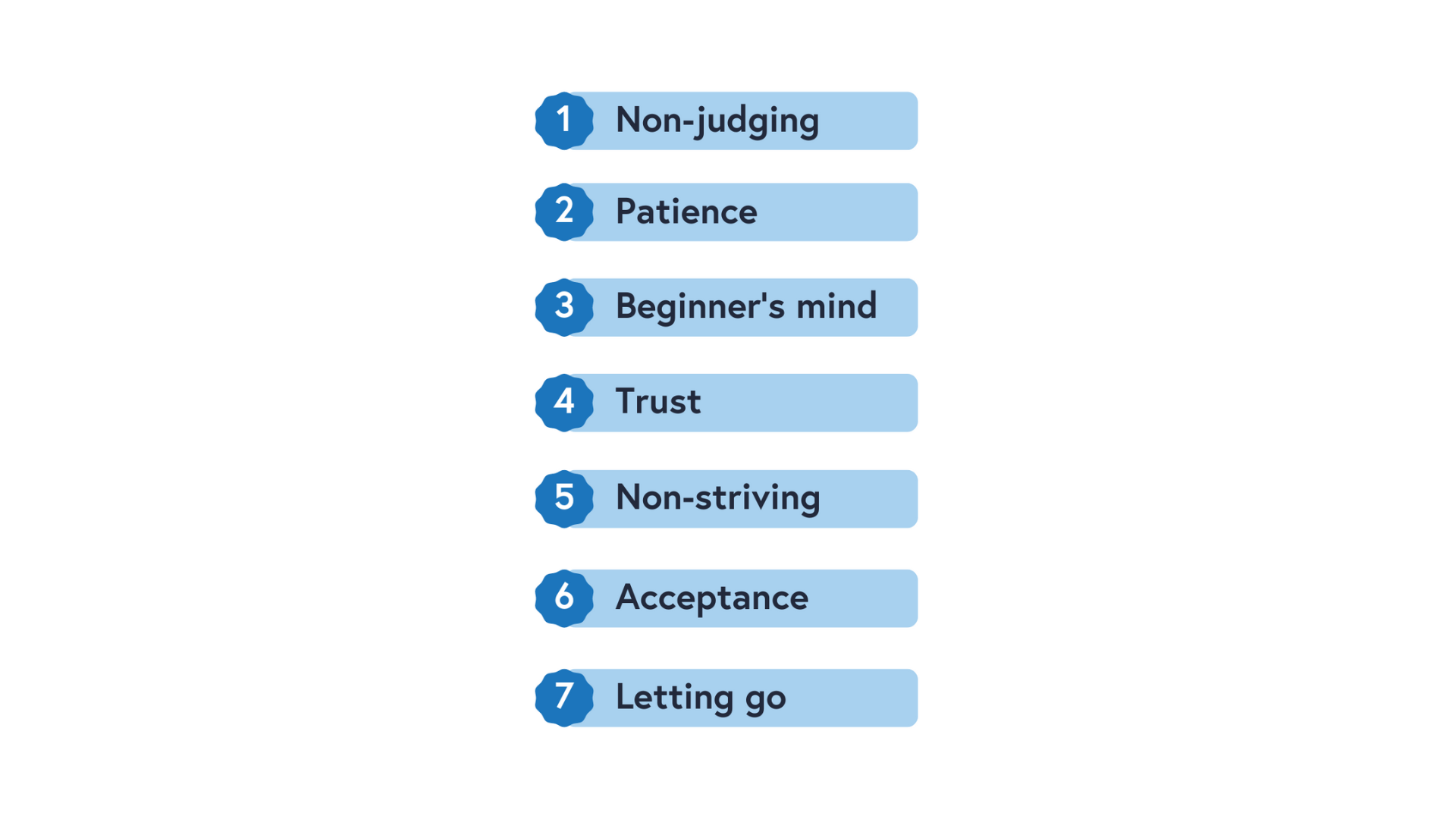
Mindfulness has grown into a significant industry with extensive literature on the subject. Among Western contributors to mindfulness, Jon Kabat-Zinn (1990) is one of our thought leaders on this topic. He outlined seven now classical attitudes of mindfulness. These attitudes are elaborated upon here, for your reflection and more insight.

  1. Non-Judging – Try to become aware of your mind as it judges and assesses things, situations, and people. With Dialectical Behavior Therapy (DBT), you learn to observe your judgmental thoughts while you are synthesizing your opposite beliefs. You might even count them to detach from them. Don’t stop yourself from being critical but instead observe yourself and thoughts without criticism. This will lead after some time to the realization that you are often functioning from a critical mode. This is not the healthiest point of view. Judging yourself (and others) causes stressful cortisol spikes, for every thought becomes a chemical reaction in your body.

  2. Patience – Healing takes time, so be patient with yourself and notice small progress. Join my Recovering Perfectionists club and embrace failing forward—growth comes from stepping out of your comfort zone and learning from mistakes.

  3. Beginner’s Mind – This is a mindset that is willing to see the world as a beginner and not as someone who has all the answers. Another way to express the Beginner’s Mind is the child’s point of view – you still have some wonder and a sense openness to new ideas. Learn to be curious, not furious, about your state of being. Let go of SHAME for not being perfect.  SHAME = SHOULD HAVE ALREADY MASTERED EVERYTHING.  Nay, Nay, you can be exactly where you are without any shame, perfectly imperfect.   You’re on your way. Yes, you are good enough, as is (and you could improve).

  4. Trust – Learn to trust your own ideas and feelings. You don’t need to defer to all the experts if something doesn’t ring true for you. Begin to know that your inner wisdom is best.  

  5. Non-Striving – Sometimes you don’t need to do anything – just be. Don’t try so hard to relax, thinking about ways to accomplish relaxation – watch how you feel when you stop striving. This includes letting go of your Compare and Despair, especially on social media. People typically post their “Happy Reel.” You don’t see the grimy, depressing, conflicted stuff they are dealing with privately.

  6. Acceptance – See things as they are; do you still need to lose weight? So be it. Are you still arguing with your spouse? Life gets LIFEY! Are you chronically constipated, depressed, exhausted? You’re taking action to move on. You don’t need to sugar-coat anything. This is how your life is and recognizing the reality of your life allows you to move forward and work on healing.

  7. Letting Go – You recognize that not all of your behaviors, thoughts and feelings have served you well. You need to make some changes in your life and that can happen when you accept your circumstance, then you will begin to make changes and let go of negative patterns. The paradox of letting go includes the 3 A’s: Awareness-Acceptance-Action.   During the Awareness phase, you are just waking up to your true reality, the beautiful and brutal truth of the life you are living. When you let go of your judgments and negative self-talk, you enter the Acceptance phase, and the healing begins. Before you know it, you are taking new actions and transforming your life.

References

Kabat-Zinn, J. (1990). Full catastrophe living: Using the wisdom of your body and mind to face stress, pain and illness. New York, NY: Delacorte.

Dialectical Behavior Therapy (DBT)

Leave a comment »

Obituary for beloved Q-tip

July 16, 2008 – May 16, 2025

Q-tip was adopted from Nevins Farms, a beautiful MSPCA animal shelter in Methuen, MA.  He was part of a litter of gorgeous kittens.  The volunteer who enrolled the kittens into the shelter named it the Diva Litter. Each cat was magnificent and dramatically beautiful.

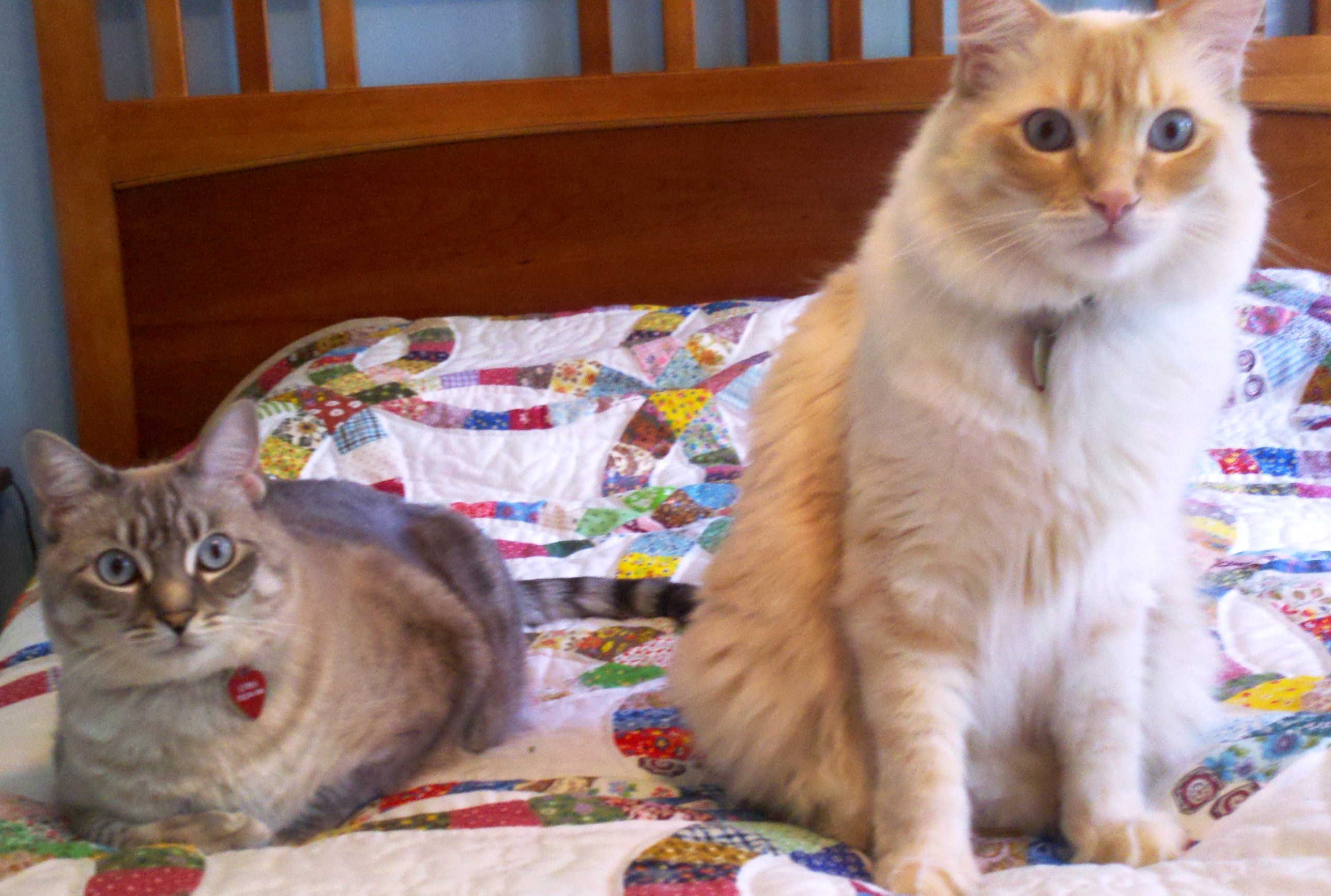
Q-tip’s temporary animal shelter name was Liberace. He was renamed Q-tip, which is an acronym for Quit Taking It Personally. His mix of Turkish Angora and Siamese breeds gave him a fabulous coat of fur. His bright blue eyes made him a handsome little guy. Here’s a 15 second video of him in action, Qtip playing with balloon.

His sister, Luna, was temporarily named Cher.  Their litter mates were Elvis, Frank, Barbara, Madonna, Lady Gaga and other renowned Divas of the time.

From the start, Q-tip was very warm and affectionate. He needed no time to become a lapcat. He loved to be brushed, snuggled, kissed and held closely. No amount of hugs was too much for Q-tip.  His sister, Luna, was more of an acrobat, and barely spent time on people’s laps. She hated being brushed.  (Luna ran away in 2014 and was never found.)  Eventually a second cat was adopted, to replace Luna. Her name is Yum-Yum, and she was very good company for Q-Tip.

Q-tip was extremely intuitive and connected to his human mother, Lisa Wessan.  When Lisa’s deceased husband, Gary Malkin, was in the ER, Q-tip stepped up. Lisa’s friends and family were always helpful, but Q-tip was her emotional support buddy at home. He helped when Gary was recovering from strokes in rehab nursing homes.  He knew she was struggling and made an extra effort to be comforting, attentive and loving.  He helped Lisa get through the many medical traumas and crises of Gary’s multiple illnesses the past five years.  Without Q-tip, it would have been a much harsher caregiver journey for Lisa.  Q-tip was always loving, soothing and a force for healing energy in Lisa’s home life. Lisa referred to him as “her furry angel.”  

For 17 human years (119 kitty years), Q-tip was a super healthy indoor kitty. He was not sick for one day of his long life.  He was given excellent grain-free food, drank only filtered water and was well loved.   He is survived by his step sister Yum-Yum,  and his human mother Lisa, who is missing him terribly now.  

Precious siblings Luna and Q-tip, resting in peace with Gary💙

💙In lieu of flowers, please send donations to Memorial Gifts ASPCA.

Leave a comment »

Just for Today, by Sybil F. Partridge

1.  Just for today I will be happy.  This assumes that what Abraham Lincoln said is true, that “most folks are about as happy as they make up their minds to be.”  Happiness is from within; it is not a matter of externals.

2.  Just for today I will try to adjust myself to what is, and not try to adjust everything to my own desires.  I will take my family, my business, and my luck as they come and fit myself to them.

3.  Just for today I will take care of my body.  I will exercise it, care for it, nourish it, not abuse nor neglect it, so that it will be a perfect machine for my bidding.

4.  Just for today I will try to strengthen my mind.  I will learn something useful.  I will not be a mental loafer.  I will read something that requires effort, thought and concentration.

5.  Just for today I will exercise my soul in three ways;  I will do somebody a good turn and not get found out.  I will do at least two things I don’t want to do as William James suggests, just for exercise.

6.  Just for today I will be agreeable.  I will look as well as I can, dress as becomingly as possible, talk low, act courteously, be liberal with praise, criticize not at all, nor find fault with anything and not try to regulate nor improve anyone.

7.  Just for today I will try to live through this day only, not to tackle my whole life problem at once.  I can do things for twelve hours that would appall me if I had to keep them up for a lifetime.

8.  Just for today I will have a program.  I will write down what I expect to do every hour.  I may not follow it exactly, but I will have it.  It will eliminate two pests, hurry and indecision.

9.  Just for today I will have a quiet half hour all by myself and relax.  In this half hour sometimes I will think of God, so as to get a little more perspective into my life.

10.  Just for today I will be unafraid, especially I will not be afraid to be happy, to enjoy what is beautiful, to love, and to believe that those I love, love me.

If we want to develop a mental attitude that will bring us peace and happiness, here is Rule #1:

Think and act cheerfully, and you will feel cheerful.

Written by Sybil F. Partridge   1916 and printed in
How To Stop Worrying, And Start Living, by Dale Carnegie, 1951

LW: Whenever you set a new intention, or want to develop a positive new habit, or break an old negative habit, start something new, always remember, “Progress not Perfection.” Old ways are tough to change, but it will get done. Slowly, slowly, you can do it. You can do hard things…There is a solution…Never give up💙

Leave a comment »

Welcome to our Podcast, PROCESS RECORDINGS

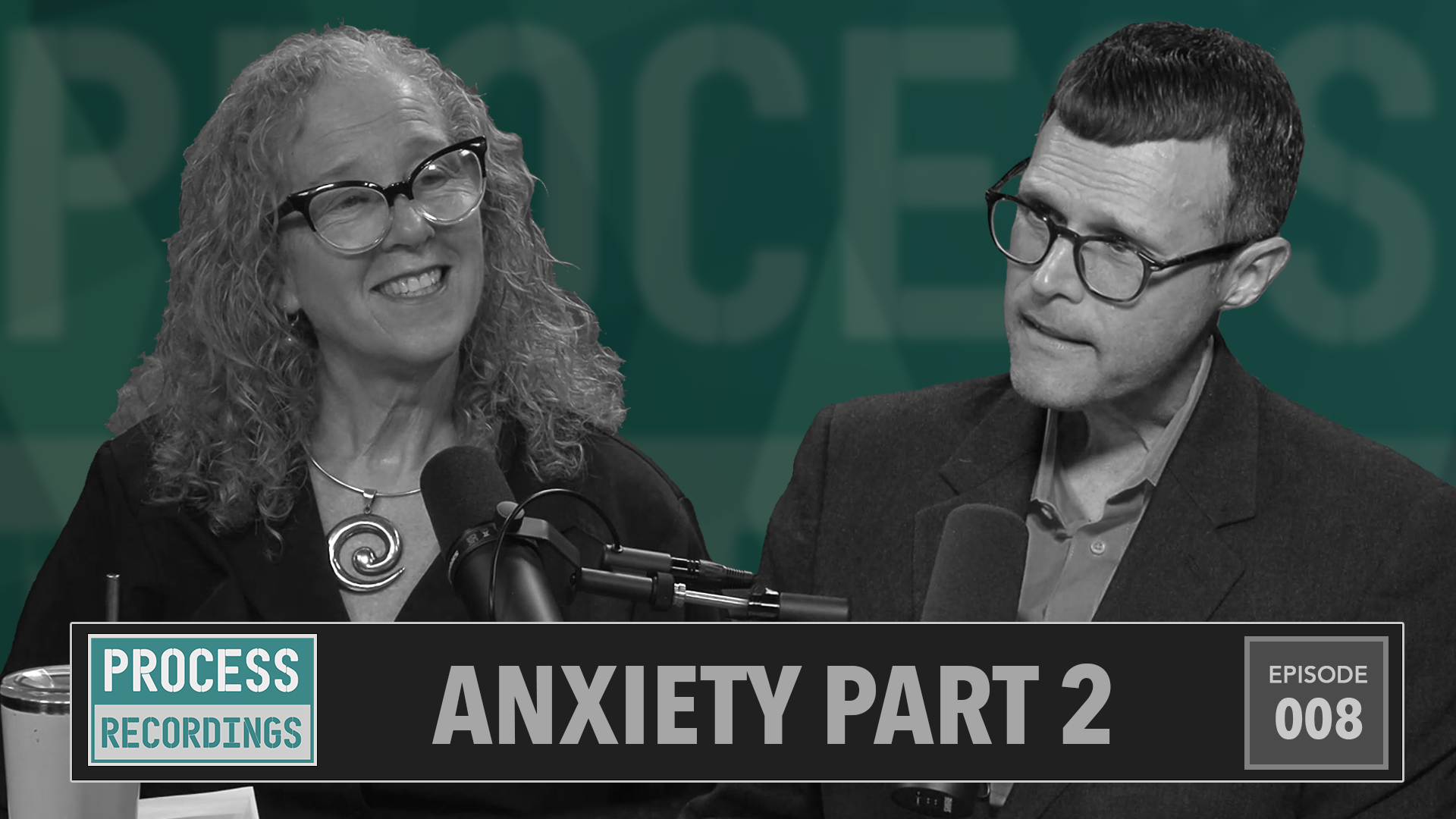
My colleague, Heath Hightower, Ph.D of Somerville, MA, invited me to join him on this exciting adventure in learning. We started percolating on ideas in the summer of 2024. It was an invigorating and joyful process to brainstorm ideas with Heath. We come from different backgrounds, have colorful geographical and spiritual contrast. This adds more flavor to the feast. Fast forward to 2025, where we have now recorded 18 episodes…

For each topic, such as ANXIETY, we have a Part I and Part 2. In Part 1, we review the terms and definitions of the issue. We do a brief literature review. Heath favors research studies and analytical journals. I go deep on clinical books for intense bibliotherapy. Together, we present an excellent overview and foundation of the topic.

In Part 2, we delve into solution focused practical skills. These skills are tactical and useful for moving into a gentle healing and recovery mode.

Skill Power vs. Will Power? Hands down, Skill Power wins every time! How do you recover from anxiety? How can you turn around toxic shame? How do you set healthy boundaries? Yes, Part 2 explores the “HOW TO” realm. This includes tools, tips, and techniques that Heath and I have found useful. (Together we have over 50 years of combined experience!)

To start your journey with Heath and I, please visit PROCESS RECORDINGS. May these discussions help you increase your capacity for success, abundance, love and more inner peace in your journey towards wholeness💙

Leave a comment »

Obituary for Gary Scott Malkin


April 8, 1961 – January 19, 2025

“I think we dream so we don’t have to be apart for so long. If we’re in each other’s dreams, we can be together all the time.” ― A.A. Milne, Winnie the Pooh

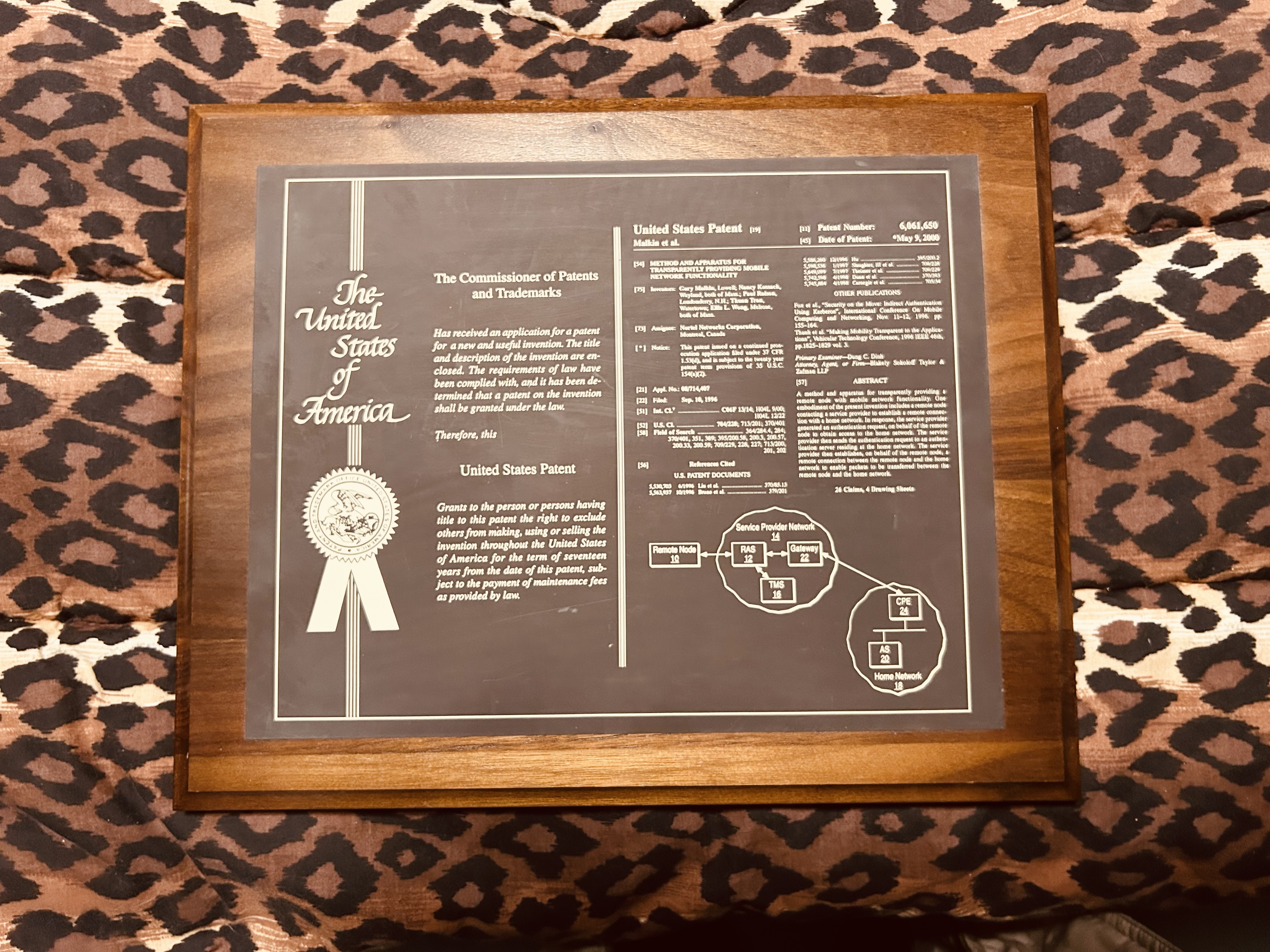
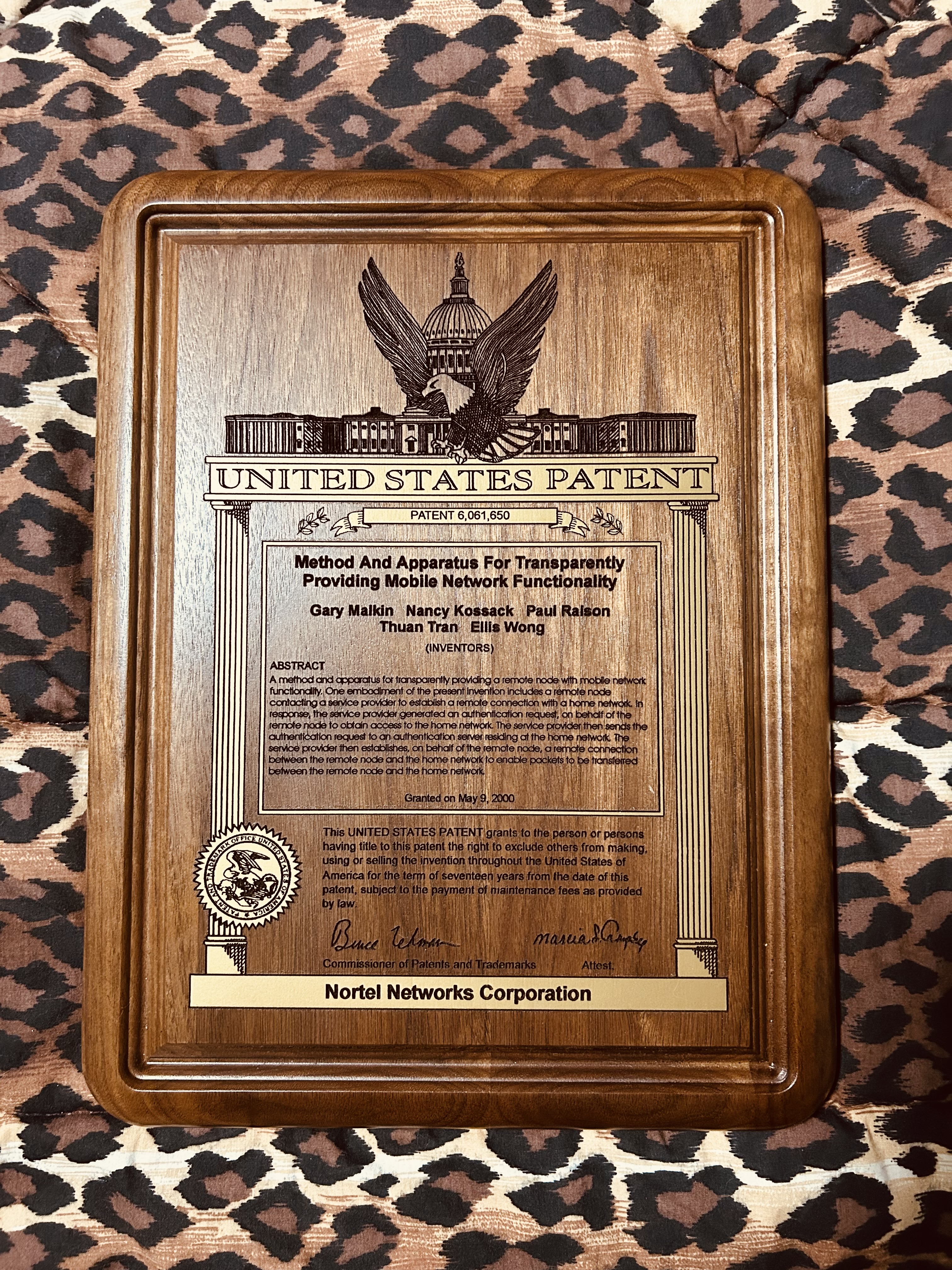
Gary Scott Malkin, a pioneering software engineer, peacefully died at the Southern New Hampshire Hospital in Nashua, NH, at age 63 on January 19, 2025. He was known for his valuable contributions to the development of the internet.

Gary was born on April 8, 1961, in Fayetteville, NC.  Gary’s family moved to Long Island where he attended Dix Hills High School in Huntington. He continued his education at Boston University, where he completed his Bachelor of Science in Computer Science (BSCS)  and Master of Science in Computer Science (MS in CS).

Gary was a long-standing member of the Internet Engineering Task Force (IETF) and the IETF User Services Advisory Council. He wrote and edited many popular IETF Requests for Comments (RFCs). Gary also wrote over 20 books and articles, including the Comprehensive Networking Glossary and Acronym Guide, The TAO of IETF and RIP: An Intra-Domain Routing Protocol.   

Gary was a full-time Principal Software Engineer at several large software companies, including Nortel Inc., Xylogics, Inc, Spartacus Inc. and most recently with the Oracle Corporation.

In his last 15 years working at Oracle, he was a senior software engineer and enjoyed working with his exemplary team in Nashua, NH. He loved the stimulating meetings with his local and international peers. He savored his convivial lunches in the cafeteria with dear friends. Gary took advantage of Oracle’s excellent in-house gym and walking paths, using his time well on the beautiful Oracle Campus in Nashua.

Gary had several creative passions throughout his life. First, he cherished laughter and good comedians. In his college days at Boston University, he and his friends enjoyed the zany hilarity of the Boston comedy scene. In his later years, he continued to follow comedians Jeff Dunham, Jim Gaffigan, Rita Rudner, John Pinette and Richard Jeni to name a few.

Second, Gary was an avid science fiction reader. His favorite sci-fi book was HELLSPARK, by Janet Kagan. He also loved all of the Star Trek and Stargate television series, Babylon 5, and many other long form sci-fi productions.

Gary was also a huge fan of Winnie the Pooh.  He cultivated his own Pooh philosophy and was able to quote large sections of A. A. Milne’s books from memory.  “People say nothing is impossible, but I do nothing every day,”  he would quote Milne and laugh at the paradox of his life.

Third, Gary was a culinary genius in the kitchen. He gained mastery over marinating and grilling meats to perfection, and enjoyed creating healthy meals for his wife, Lisa Wessan, who appreciated his low-carb chocolate mousse, zero-carb mac and cheese (made with riced cauliflower), and his extraordinary air-fried coconut shrimp with mango jalapeno dipping sauce, to name a few of his healthier specialties.

Gary was a kind and generous friend, and for many years Gary loved to entertain at home. He made delightful dinner parties, where he would show off his whimsical and delicious creations for his friends and family.  

Gary was also quick to lend a helping hand if someone was building a shed, or needed some house repairs. He was extremely talented and gifted with his hands, and could truly repair almost anything. His wife affectionately called him “My Cosmic Pooh Bear Wizard” which captured many of his remarkable traits in one phrase.

Throughout his life Gary was extremely committed to donating blood. For over 20 years he donated monthly platelets in a three-hour pheresis process to the Red Cross. He also gave whole blood every eight weeks for most of his adult life.

He is survived by his wife, Lisa Wessan and their beloved two kitties, Yum-Yum and Qtip; his mother, Rona Malkin;  his step father, Jerry Yellen, and his sister, Donna Shine.

💙 In lieu of flowers, please send donations to one of Gary’s favorite charities:  Memorial Gifts | ASPCA or Honor and memorial gifts | Habitat for Humanity. 💙

Leave a comment »

Effective Dialectical Behavior Therapy (DBT): Open Enrollment Now

 
“Between stimulus and response there is a space. In that space is our power to choose our response. In our response lies our growth and our freedom.” ~ Viktor E. Frankl


I am delighted to announce that the next virtual 14-week Dialectical Behavior Therapy Skills (DBT) Group will be meeting on Tuesday evenings, 7:30 – 9 PM EST, February 18 – May 20, 2025.  We will be covering both the Mindfulness and Emotion Regulation modules.  (This is an ongoing group that has open enrollment periods three times per year.)

[If you would like to receive a copy of the full 14-week curriculum, please request one HERE. (This is a NO-SPAM Zone, so your email will not be added to any list unless you request it.]

The Mindfulness material includes:

  • Learning how to be a good observer, describing your feelings, participating more fully in life
  • How to become non-judgmental of yourself and others
  • Staying in the present moment with more ease
  • Practicing being effective for the greater good of your family, workplace, community
  • Accessing Wise Mind (aka higher self, higher consciousness)
  • Understanding Reality Acceptance and detaching from negative or critical thoughts.
  • Shifting from Willfulness to Willingness

The Emotion Regulation module has four sections:

  • Understanding and Naming Emotions
  • Changing Emotional Responses
  • Reducing Vulnerability to Emotion Mind (your highly reactive and difficult emotions)
  • Managing Extremely Difficult Emotions

As DBT founder Dr. Marsha Linehan says, “It is difficult to manage your emotions when you do not understand how emotions work. Knowledge is power.”

GROUP ATMOSPHERE: My students are well mannered, high functioning and convivial.  For those who occasionally tend to demand more attention, want to give inappropriate feedback and/or act out in any way, I do have a strong “Respectful Communication Policy” in place and several useful group rules which help to maintain a safe, harmonious and cohesive group atmosphere.  All are welcome, but there is no allowance for rude or harsh behavior.

Group members will continue to process their unresolved traumas in their individual therapy, not in this group. This is a therapeutic psychoeducation program. (It is NOT group therapy.)

For dates, fees, videos and more details, please visit
Dialectical Behavioral Therapy | Lisa Wessan

May this serve you or your loved ones well in their journey towards wholeness and more inner peace.

Onward and Upward🌀

Lisa Wessan

Leave a comment »

From Borderline to Balance: Dialectical Behavior Therapy for Post-Traumatic Stress Disorder (DBT-PTSD)

Abstract: This article offers a perspective on the impact of Dialectical Behavior Therapy (DBT) in treating Borderline Personality Disorder (BPD) and trauma. The author shares valuable insights on renaming BPD to “Intense Trauma Syndrome” for reduced stigma and increased therapeutic support. The post effectively conveys the author’s experience with DBT and the positive outcomes observed with clients. The inclusion of Solution Focused Therapy and reframing cognitive beliefs adds depth to the content, enhancing its value. Overall, it provides a comprehensive view of the transformative nature of DBT in addressing trauma-related challenges.

When I first became interested in the Dialectical Behavior Therapy methods and curriculum (DBT), one of my mentors said, “Lisa, I strongly advise you NOT to get involved with this work. If you offer DBT Skills, you will attract the WORST clients!  They will all be severely agitating with Borderline, Bipolar or severe mood disorders, it will be a nightmare for you!”

I heard what she said, and I did respect her opinion, but there was something so powerfully intriguing about the evidence-based science behind DBT, and the fact that so many people were getting well from it – people who had been considered “treatment resistant” prior to their DBT exposure.

I do like a challenge, however, and I was not afraid of this high risk population. Something inside me told me to continue…against the advice of this mentor, and other practitioners I knew.

It is now twelve years since my first DBT training, and I’m still excited to be sharing the DBT curriculum with adults (21+) in my virtual Zoom classroom.  I have had the privilege of witnessing hundreds of my DBT clients, in both individual and group sessions, go through this cognitive re-structuring process, shed their false beliefs, deconstruct their traumas, grieve and move on to have healthy, happy, contented lives.

In the process, I have learned that approximately 70% of my clients with Borderline Personality Disorder (BPD) suffer from severe co-occurring post-traumatic stress disorder (PTSD),  related to traumas that occurred during childhood. These traumas were not processed or expressed at the time,  and they caused a corruption of the client’s personality, mental and social skills.

These unresolved traumas, when treated, often bring upon a rebirth process, and the client is no longer exhibiting the Borderline symptoms.  Therefore, I humbly submit that it would serve everyone if BPD could be renamed Intense Trauma Syndrome (ITS).

Here is why:

  1. The term Borderline is heavily stigmatized in my guild.  “Borderline” sounds as if someone is on the edge of a cliff about to jump, perhaps on the verge of…suicide? Murder? Something worse?  Witness my mentor’s advice above, plus, each week I receive calls from clients who tell me “No one will work with me because I am Borderline.”  This is frustrating and heartbreaking to me.  Why is this heavily traumatized group eschewed because of their condition? Where should they go?  How will they get well? If BPD were to be re-labeled as Intense Trauma Syndrome, I think they would be helped by more therapists!  But this requires more than a branding campaign…
  2. Borderline clients often exhibit highly dissociative symptomatology, chronic suicidality, and ongoing non-suicidal self-injury.  This is also a big turn-off to my guild.  Many of my colleagues will NOT work with suicidal clients.  Why?  Too much liability, too many collateral calls, too much danger. Moreover,  my clients feel as if they are tacitly shamed by the mental health profession for being Borderline.   Yet I have found that this population, when they are truly sick and tired of being sick and tired, pick up these DBT Skills and other therapeutic interventions, and start their healing process.  They will always agree to a Safety Plan and stick with it. They learn, grow, and become healthier and successful members of society.   They do recover!
  3. When I tell my Borderline clients they have Intense Trauma Syndrome, and request that they stop describing themselves as Borderline, they start to feel so much better about their emotional challenges.  Many Borderline clients have described severe shame and self-hate due to their diagnosis. They feel hopeless and bereft of a cure. Receiving the Borderline diagnosis can make them feel worse!
    ⭐Here’s the H.O.P.E.  for Borderline clients,  Hold On, Pain Ends.⭐

Solution Focused Therapy

My DBT Skills groups cover the entire curriculum in one year, divided into three 14-week trimesters. This training includes the strengthening of the commitment to overall wellness and psychoeducation, DBT skills training, skills-assisted exposure, with radical acceptance of the past trauma and its effects on their lives.

Four leaf DBT

Finally, you explore the practice of self-compassion – as you learn to Fail Forward – and make efforts to build a life worth living. When a client has graduated from their Intense Trauma Syndrome to the more normative anxiety, career, dating, relationship challenges they are on their way to be fulfilled and satisfied with their lives.

The Intense Trauma Syndrome causes people to become quite polarized in their thinking. They often see the world in black and white, all or nothing, right or wrong, good or evil terms.  There is not much wiggle room for the vast spectrum of imperfection that exists in all of us!  One of the earliest cognitive shifts we work on is the ability to hold OPPOSITE VIEWS in their minds without having a meltdown.

Common Dialectical Beliefs

I teach that it is perfectly all right to love someone, but also to hate them at times. It is fine to be in a room of friends or family, and yet feel very lonely.  It is not a serious problem to want to go out, and want to stay home in the same breath. It is possible to feel strong and vulnerable. 

Prior to learning DBT skills, these opposing thoughts would cause a lot of stress for them, and cause them to feel as if they were having a meltdown.  To help them decompress from their polarized inner self-hating dialogue, I have learned to reduce their stress by saying, “You can feel dual emotions, you are ok and safe with these conflicting thoughts…In fact, you are not having a breakdown, you are having a breakthrough!”  This often helps them to reframe the intensity of their emotions into a more helpful and practical view.

Borderline1

What they need to learn is to go within and ask, “What do I need now?”  or “How can I make this better?”  Instead of saying “What’s wrong with me? Why am I like this?   I hate this!  I feel crazy! I can’t take it, I want to die!” In individual therapy, we can also explore their different Parts (with Internal Family Systems Therapy/IFS)  and gain understanding of their Exiled parts (Anderson, F.,  Sweeney, M. Schwartz, R.  2017)

I teach my clients to stop asking WHY questions, but to ask HOW questions instead.  When we ask WHY, “Why am I like this?  Why don’t I enjoy parties?  Why am I so annoying to people? Why is this person ignoring me?  Why do people dislike me? “Why am I still single?” they are on a slippery slope into anxiety and depression and possible self-harm.

When they learn to ask HOW questions, they start to change, “How can I make this better?”  “How can I be useful?”  “How can I learn to stay calm when I am triggered?”  The HOW questions lead to discovery, growth, healing and empowerment.

In Conclusion

Dialectical Behavior Therapy for Post-Traumatic Stress Disorder is a powerful healing modality.  From my experience, those clients suffering with BPD are particularly helped by this cognitive restructuring process, since typical pharmacological and generic talk therapy interventions are not always helpful.  From my perspective, DBT serves as a newly installed behavioral software program. It is slowly downloaded into their minds through the completion of hundreds of handouts, worksheets, discussions, weekly practice and role playing.  In sum, the DBT behavioral software in their minds replaces their previously corrupted and faulty software that was hurting them.
Copyright © by Lisa Wessan 2024. All rights reserved.

Leave a comment »

Avocado Chocolate Mousse

Eating dessert is one of the pleasures of life, yet I don’t want to hurt my body by eating inflammatory foods that weaken and compromise my precious instrument…so finding desserts that contain super nutrients is definitely part of my JOYFUL experience.

I did make this recipe over the past weekend, and it’s wonderful. 

Modifications: I used almond milk (instead of oat milk), Stevia instead of Agave, skipped the salt, and I mashed it in a bowl. Came out superb! (I also made it a second time using a hand-held blender, and that works really well too, plus easy clean up.)

Have fun and enjoy this delicious healthy treat💕

Onward and Upward,

Lisa

Source: http://www.TheWeek.com 05 MAY 2023

Leave a comment »